











.jpg)

.png)
.jpg)
.jpg)
.jpg)
.jpg)


.jpg)
.png)

Key Takeaways
- A Softopper is not true canvas. The standard canopy is a PVC-coated sailcloth, a waterproof vinyl, and the premium option is a triple-layer Premium Black Twill, so you clean and seam-seal it rather than re-waterproof it.
- Rinse loose grit off first, then wash with mild soap and water using a soft microfiber cloth, rinse fully, and let your top air dry completely to keep mildew from taking hold.
- A touchless car wash is fine, but skip brush washes and rinse any wax or cleaning agents off the windows afterward, since alcohol, silicone, and wax degrade vinyl over time.
- The vinyl fabric sheds water, but a sewn top can leak at the seams, which is where Softopper’s universal seam sealer and Seam Grip come in.
- Wash the exterior about once a month and deep clean with fresh protectant roughly twice a year, more often in dusty, coastal, or high-UV areas.
Your Softopper is built to hold up to sun, weather, dust, and trail grime for years, and a little routine care is what keeps it looking new and working the way it should. The good news: cleaning a soft truck top is simple once you know what your top is actually made of and which few products it needs. This guide walks you through cleaning the fabric, keeping your windows clear, sealing the seams, and protecting everything against UV and mildew.
Is a Soft Truck Topper Canvas or Vinyl? (And Is It Waterproof?)
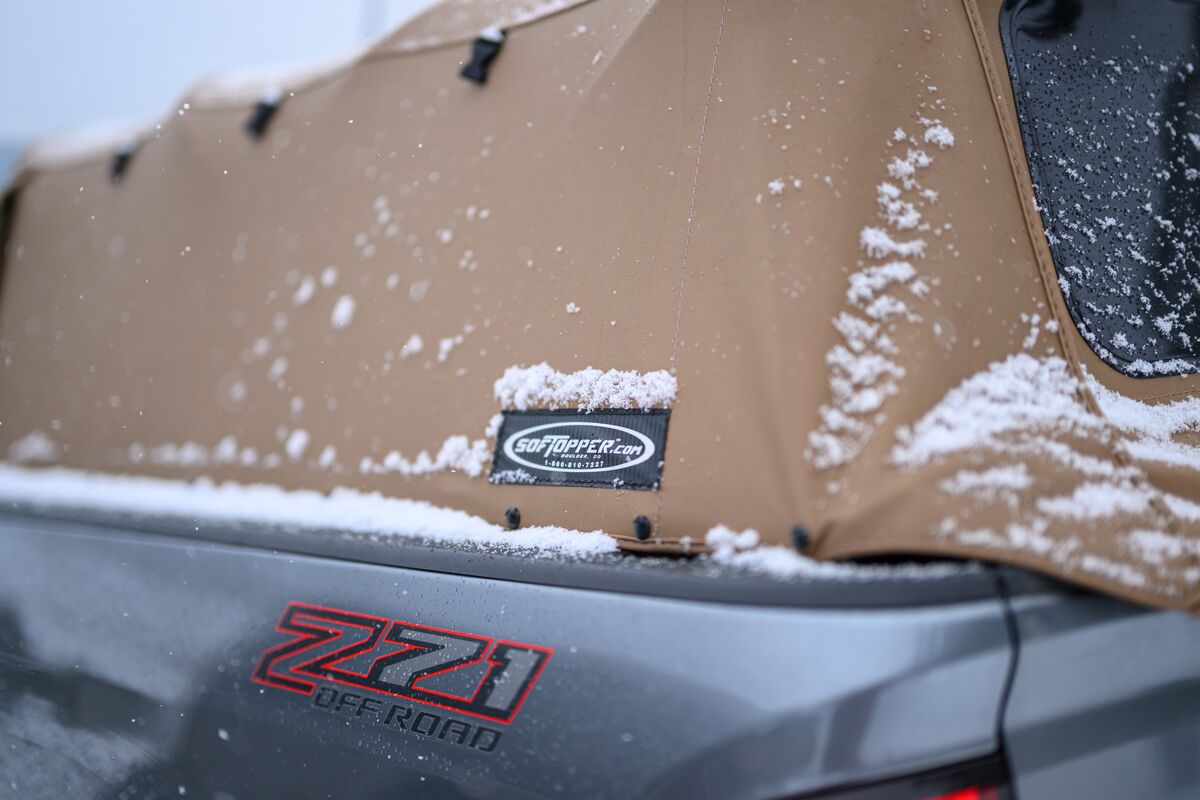
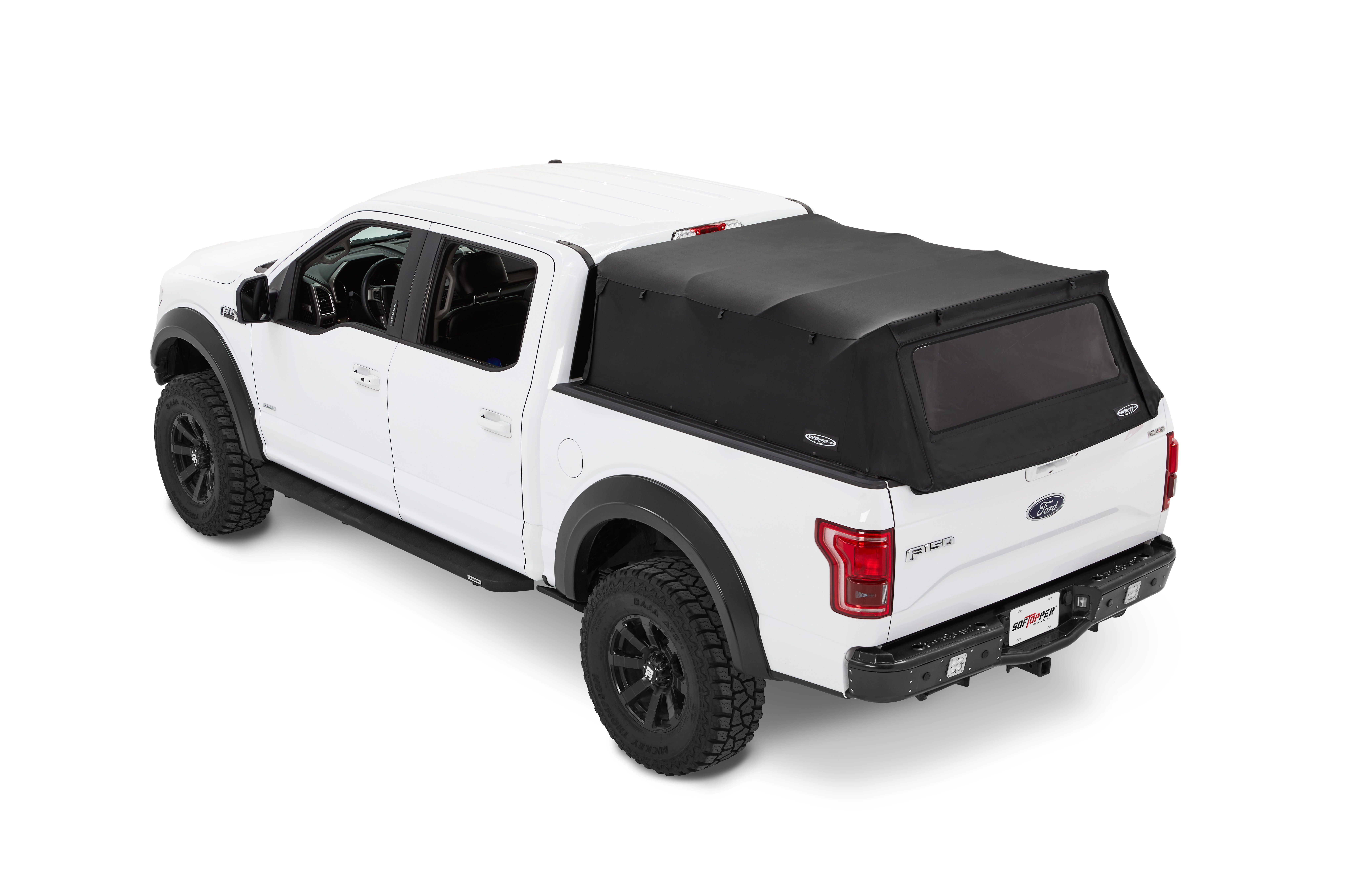
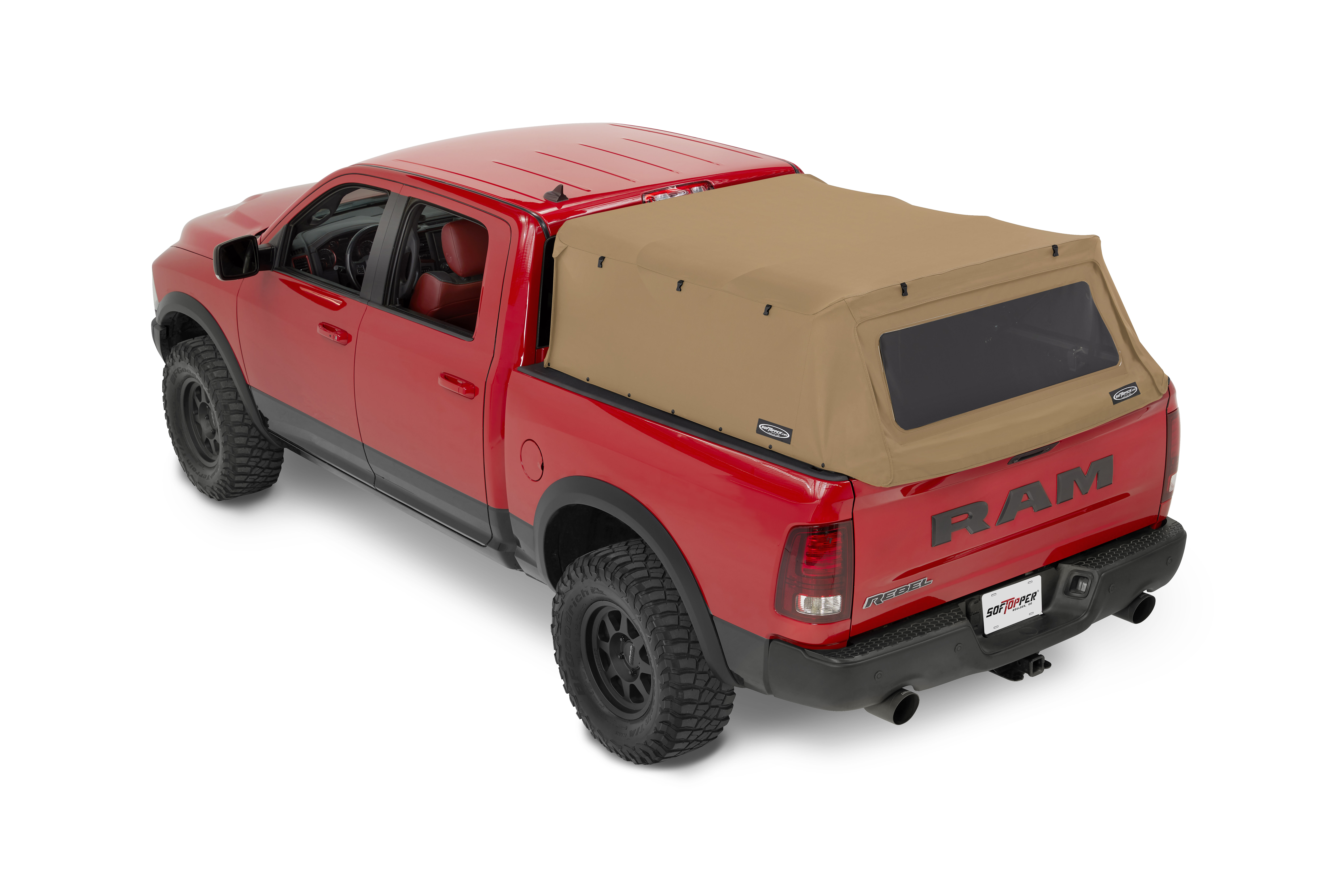
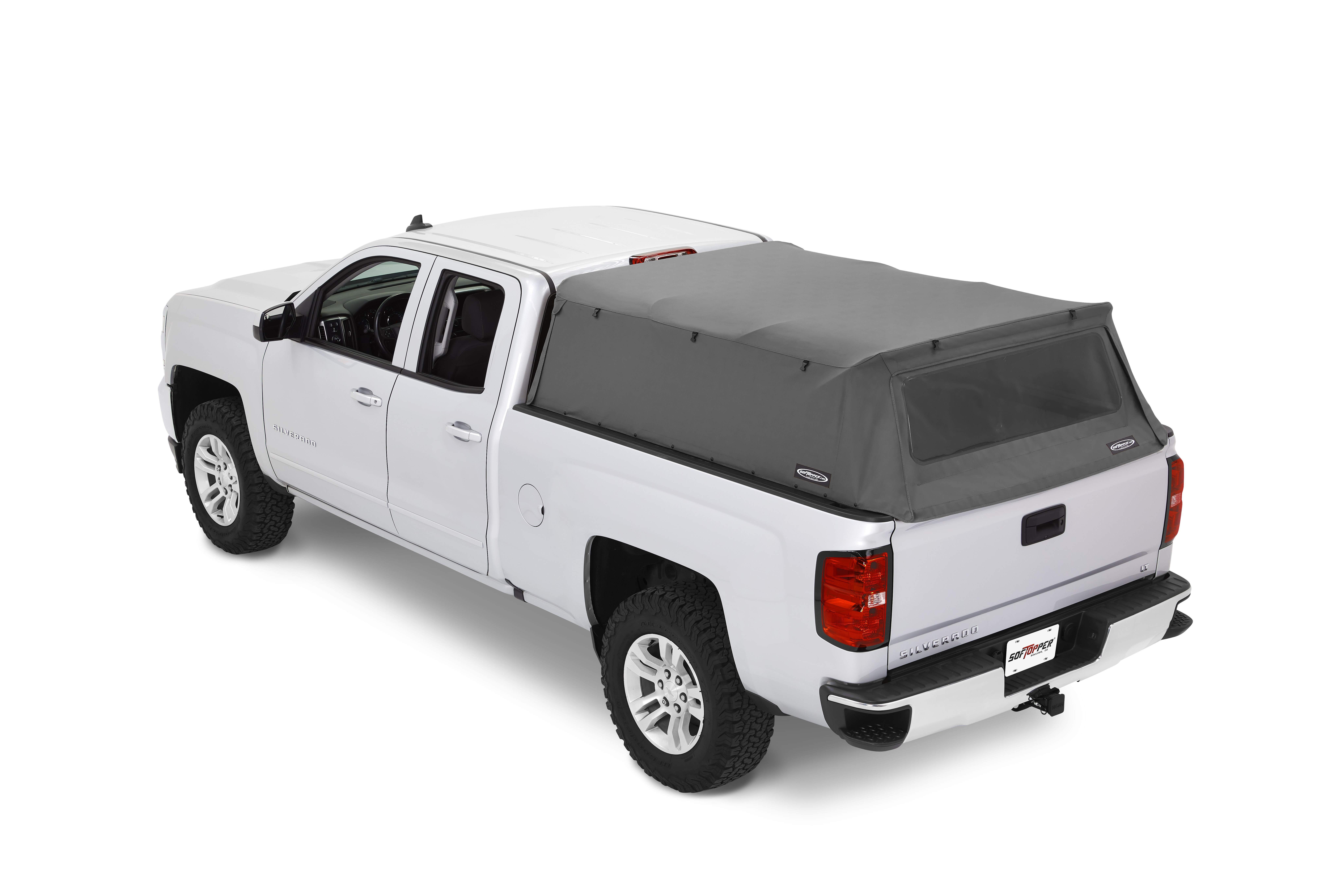
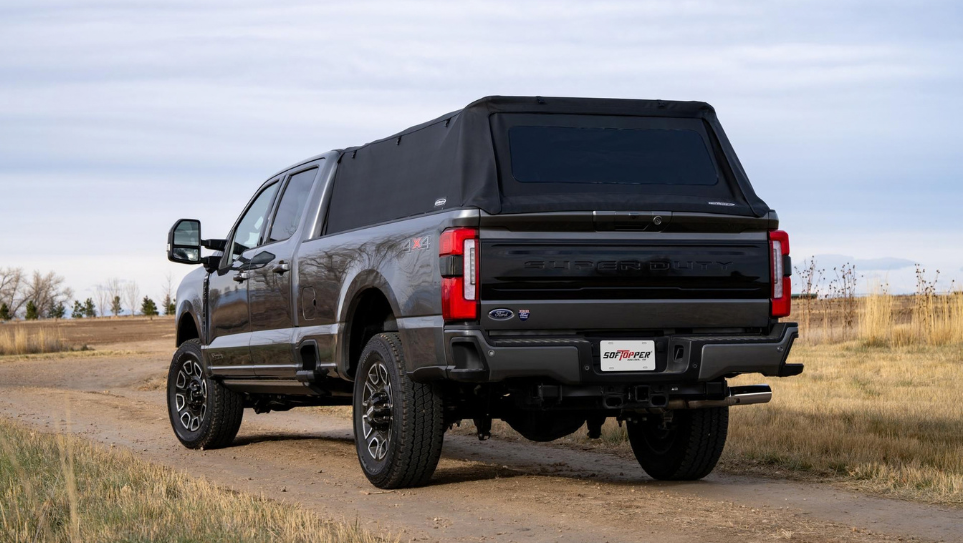
A Softopper is not true canvas. The standard canopy is a 2-ply PVC-coated sailcloth, a waterproof vinyl fabric that is UV- and mildew-resistant, and the premium option is Premium Black Twill, a triple-layer fabric with a woven acrylic outer layer and a standard dark tinted rear window. Because the fabric is already coated and waterproof, you do not re-waterproof it. You keep it clean and seal the sewn seams.
That is the myth worth busting: shoppers search for a “canvas truck topper,” but your Softopper sheds water because of its coated vinyl or twill construction, not a canvas weave you have to reproof every season. The fabric itself is waterproof and water falls off outside the truck. The system as a whole is weather-resistant, and like any sewn top, the stitched seams can occasionally leak in a trouble spot. That is normal for soft goods, and it is easy to address. Want the full rundown on the premium fabric? See the benefits of a Premium Black Twill soft truck top.
What You Need to Clean a Softopper
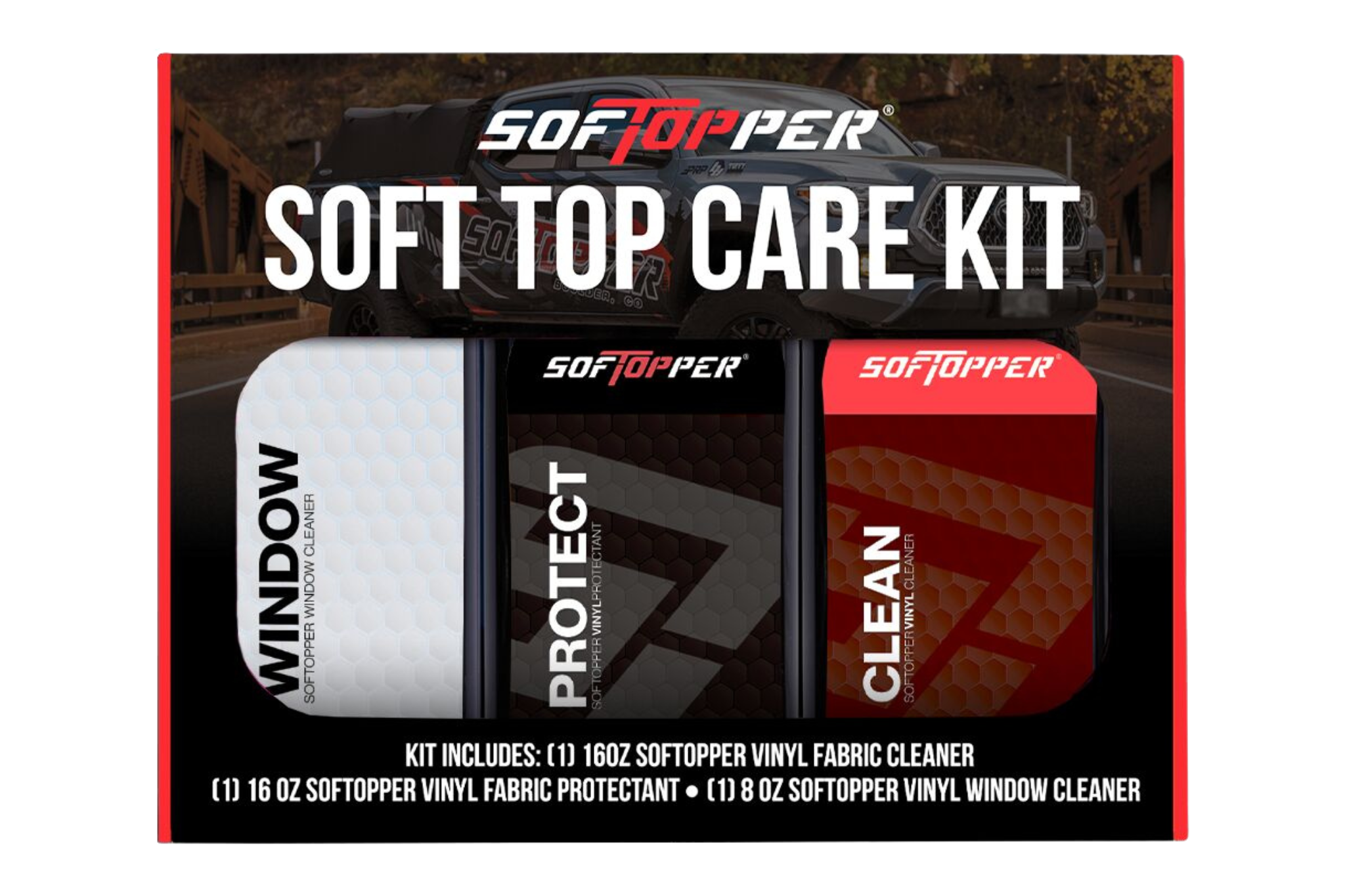
You do not need a professional detailing kit to care for your soft truck top. A bucket of mild soap and water, a few clean microfiber cloths, a soft-bristle brush for stubborn fabric spots, and a garden hose cover the basics. For everything else, the Softopper Soft Top Cleaning Care line is matched to your exact materials.
- Vinyl Cleaner: lifts dirt and dust with a deep-cleaning, eco-friendly, biodegradable, low-pH formula that leaves no residue.
- Vinyl Protectant: guards Standard Vinyl against UV fade, grease stains, and mildew (not for use on twill).
- Vinyl Window Cleaner and Polish: clears haze and minor scratches and adds UV protection to clear vinyl windows.
- Twill Protectant: made for Premium Black Twill fabric.
- Soft Top Care Kit: an all-in-one bundle with the vinyl cleaner, protectant, and window cleaner (Twill Protectant sold separately).
Unlike generic automotive cleaners, these formulas are built specifically for Softopper vinyl and twill, so you get deep cleaning plus UV and mildew protection without risking the fabric.
How to Clean Your Soft Truck Top Step by Step
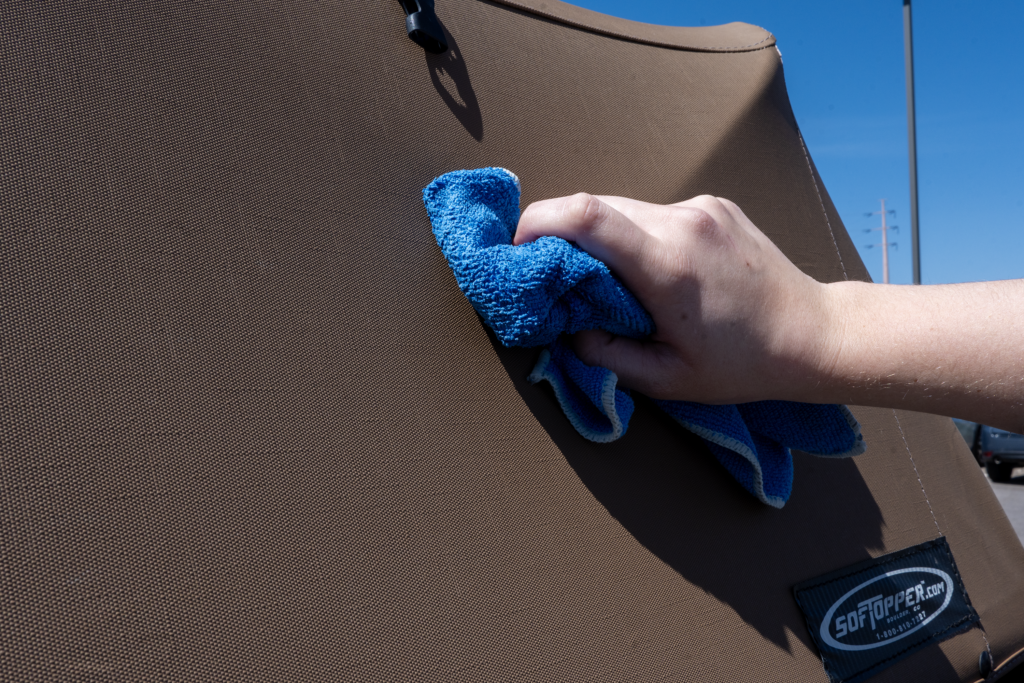
To clean your Softopper, rinse loose grit off first, wash with mild soap and water using a soft microfiber cloth, rinse thoroughly, and let the top air dry completely before you protect or retract it. Working gently and in sections keeps the coated vinyl from scratching and stops mildew from forming under a damp fold. Here is the routine:
- Rinse the whole top with a hose to float off loose dust and grit, so nothing gets dragged across the vinyl while you wash.
- Wash with a mild soap, such as Dawn dish soap, and water, using a soft microfiber cloth and working in sections. For stubborn spots on the fabric, a soft-bristle brush is fine, but never use a brush on the windows.
- For a deeper clean, apply Softopper Vinyl Cleaner and let its biodegradable formula lift the dirt, then agitate lightly.
- Rinse thoroughly until the water runs clear and no cleaner is left in the seams or crevices.
- Let the top air dry completely before you apply protectant or fold it forward, which keeps mildew from setting in.
Prefer a car wash? A touchless car wash is fine for your Softopper. Steer clear of brush and roller washes, which can scratch the vinyl and cloud the windows, and rinse any residual wax or cleaning agents off the windows afterward.
For a visual walkthrough, watch Softopper’s own care guide on keeping your soft truck top in prime condition.
Caring for Vinyl Windows
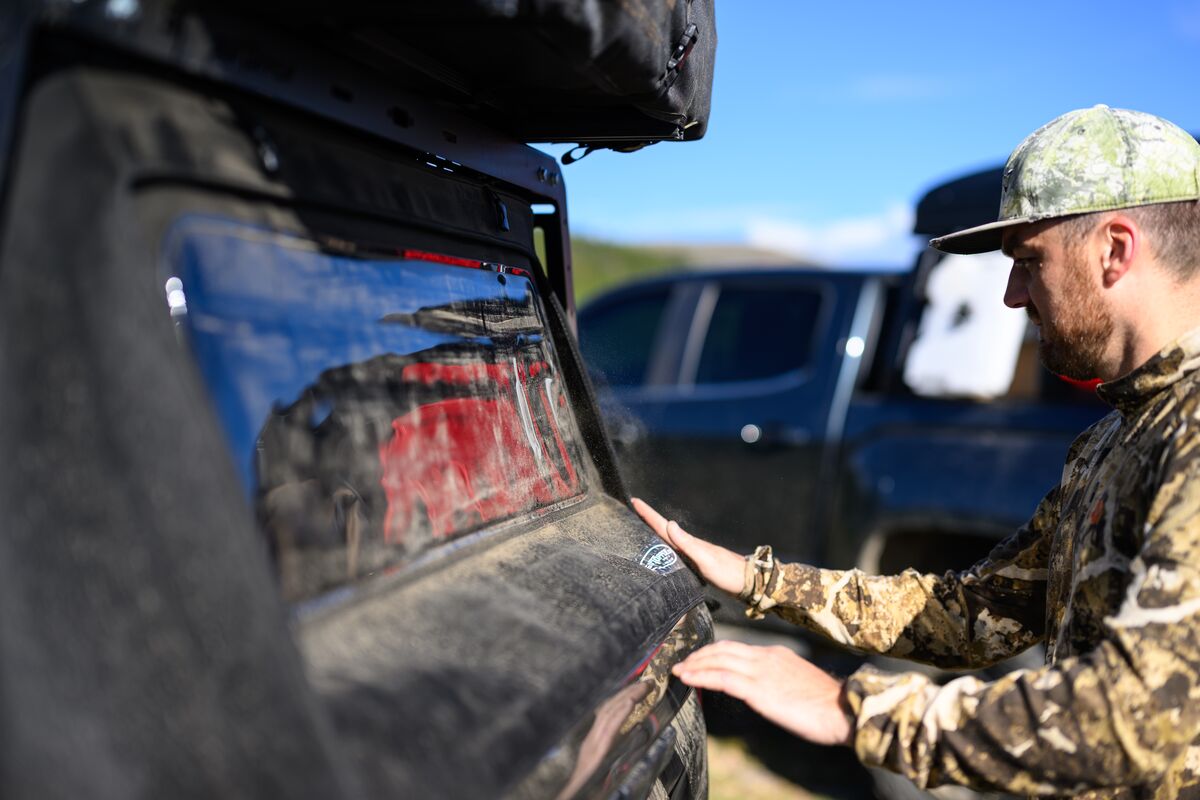
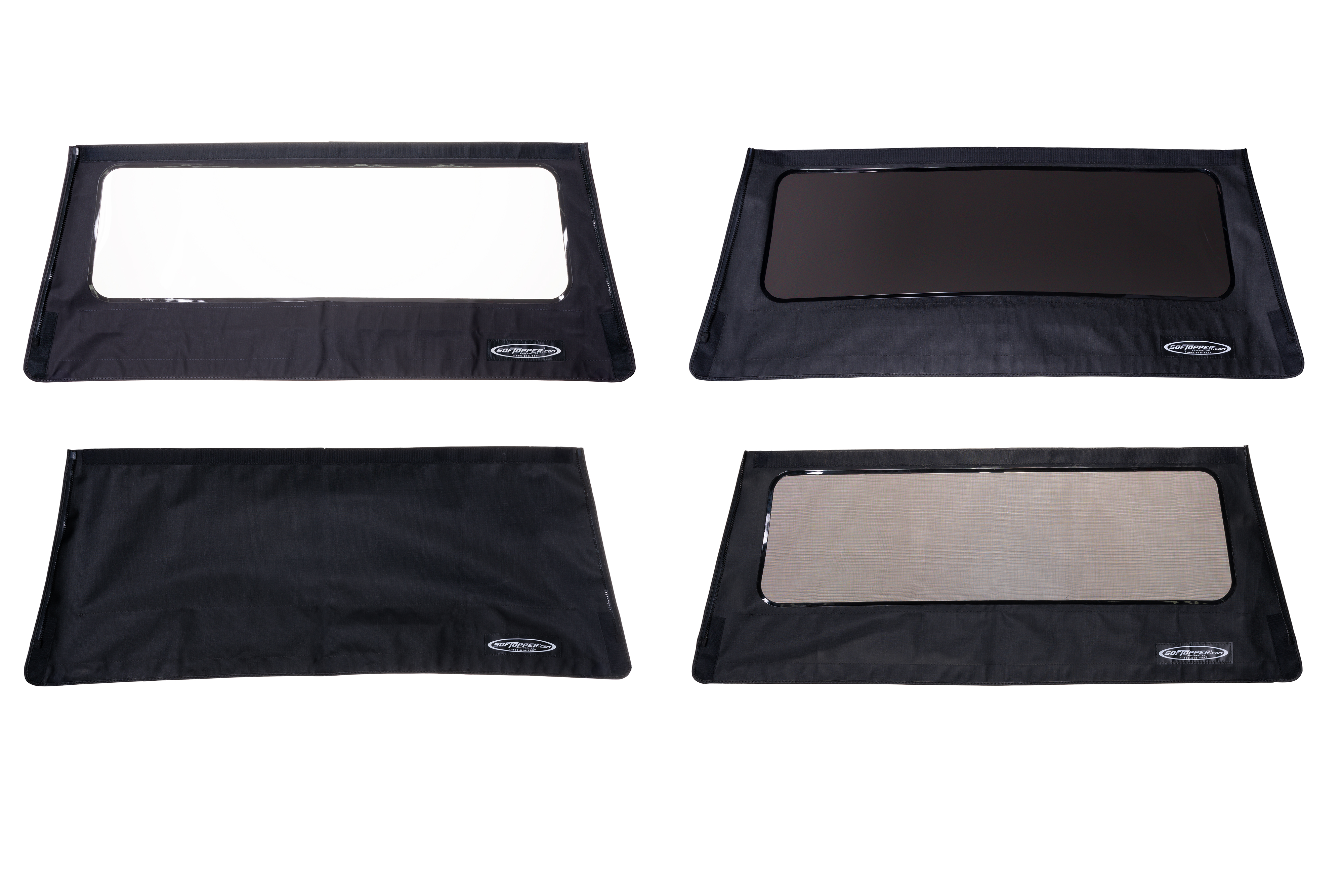
Clean your clear vinyl windows with a microfiber cloth only, never a brush or paper towel, which cause fine scratches and haze over time. For cloudy or scratched windows, reach for the Softopper Vinyl Window Cleaner and Polish, which removes haze, reduces minor scratches, and protects the vinyl from UV damage so you keep clear rearward visibility.
One important detail: keep cleaners that contain alcohol, silicone, or wax off the windows. Those ingredients degrade clear vinyl over time, which is exactly why you rinse the windows after a car wash. A gentle wipe with the right polish does far more for long-term clarity than any all-purpose glass cleaner.
What Not to Use on Your Soft Truck Top
The fastest way to shorten the life of a soft truck top is to clean it like the rest of the truck body. A few simple do’s and don’ts protect the coating, the stitching, and the windows.
- Do use mild soap, water, and microfiber cloths, and rinse thoroughly.
- Do let the top air dry completely before folding or storing it.
- Do use vinyl- and twill-specific Softopper products.
- Don’t use bleach or harsh detergents, which can weaken the seam threads.
- Don’t scrub with abrasive brushes or pads, especially on the windows.
- Don’t aim a pressure washer at the seams or zippers, where high pressure can force water through the stitching.
- Don’t clean in direct sunlight, which dries cleaner too fast and leaves streaks.
How to Seal Leaky Seams
If you find a slow leak, it is almost always at a sewn seam, not the fabric itself, and it is a quick fix. Clean and fully dry the seam first, then apply a Softopper universal seam sealer or Seam Grip along the trouble spot and let it cure per the instructions. That restores a tight, weather-resistant fit without touching the rest of the top.
While you are at it, look over the wear parts. The bedrail weatherstrip runs along both sides of the truck box to help keep out dust and moisture, and buckles, brackets, and snaps are the most common pieces to refresh over time. You can find all of these among Softopper’s genuine replacement parts. The rear window is secured by commercial-grade YKK zippers, so keep them running smoothly with a silicone-based zipper lubricant.
Protecting Against UV, Fade, and Mildew
Cleaning removes what is already on the top; protectant is what keeps the next round of damage from starting. Once the fabric is clean and fully dry, apply Vinyl Protectant to a Standard Vinyl canopy, or Twill Protectant to Premium Black Twill, to guard against UV fade, grease stains, and mildew.
UV exposure is the main long-term wear factor for any soft truck top, so a couple of simple habits go a long way. Always let the top dry completely before folding it forward, store it out of direct sun during long stretches of non-use, and give the zippers an occasional shot of silicone lubricant. None of this makes the top last forever, but it keeps the fabric supple and the color true far longer than doing nothing.
How Often Should You Clean and Protect It?
Rinse your Softopper whenever it picks up dust or road film, wash the exterior about once a month with mild soap and water, and plan a deeper clean with a fresh coat of protectant roughly twice a year. In dusty, coastal, or high-UV climates, move that deep clean up and reprotect more often. Each time you clean, take a minute to inspect the seams, zippers, and windows.
Catching a loose snap, a sticky zipper, or an early leak during a routine wash is far easier than dealing with it later. For the brand’s own quick-reference tips, keep the Softopper Care Guide handy.
Keep Your Softopper Performing Like New
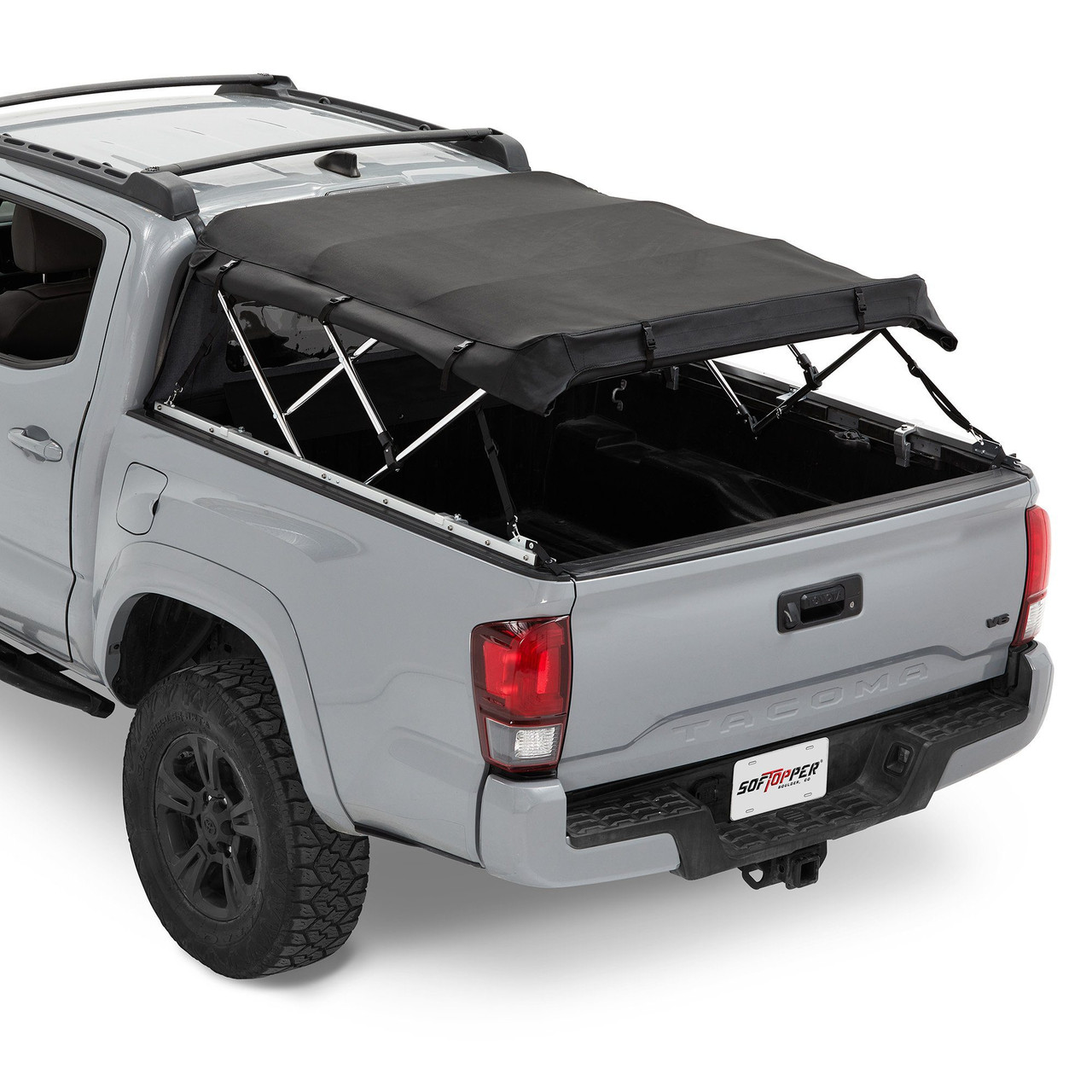
Caring for a soft truck top comes down to a short, repeatable routine: rinse, wash gently, dry fully, protect the fabric and windows, and seal a seam if one ever weeps. Do that on a regular schedule and your Softopper keeps giving you covered protection when you want it and a full open bed when you need it, with no permanent commitment. When you are ready to refresh your supplies or find the model engineered for your exact truck, explore the Softopper truck top lineup and the matching care products, including options like the Toyota Tacoma Softopper.
Frequently Asked Questions About Softopper Cleaning and Care
Quick, brand-specific answers to the most common questions about cleaning, sealing, and protecting your Softopper soft truck top.
A Softopper is not true canvas. The standard canopy is a 2-ply PVC-coated sailcloth, a waterproof vinyl fabric, and the premium option is a triple-layer Premium Black Twill with a woven acrylic outer layer. Because the fabric is already coated and waterproof, you clean and seam-seal it rather than re-waterproof it.
You can run a Softopper through a touchless car wash. Avoid brush-style washes, which can scratch the vinyl and windows. After a touchless wash, rinse any residual wax or cleaning agents off the windows, since products containing alcohol, silicone, or wax degrade the vinyl windows over time.
Rinse off loose dirt first so grit does not scratch the vinyl. Then wash with a mild soap, such as Dawn dish soap, and water using a soft microfiber cloth, working in sections. Rinse thoroughly and let the top air dry completely before retracting or storing it.
Skip harsh detergents, bleach, and abrasive brushes, which can damage the coating and weaken seam threads. Avoid pressure washers near seams and zippers. On the vinyl windows, never use a scrub brush or cleaners containing alcohol, silicone, or wax; use a microfiber cloth and a vinyl-safe window cleaner instead.
The vinyl fabric sheds water, but like any sewn top, the stitched seams can occasionally leak in trouble spots. Softopper offers a universal seam sealer and Seam Grip to treat those areas. Clean and fully dry the seam first, then apply the sealer per the instructions to restore a tight, weather-resistant fit.
Use the Softopper Vinyl Window Cleaner and Polish, which is formulated to remove haze and minor scratches while adding UV protection. Apply it with a clean microfiber cloth, never a brush or paper towel, which can scratch the vinyl. Regular polishing keeps the windows clear for safe visibility.
After cleaning and drying, apply Softopper Vinyl Protectant to the canopy, or Twill Protectant on Premium Black Twill, to guard against UV fade, grease stains, and mildew. Always let the top air dry completely before storing, and cover or store it out of direct sun during long periods of non-use.
Rinse the top regularly and wash the exterior about once a month with mild soap and water. Plan a deeper clean and a fresh coat of protectant roughly twice a year, or more often in dusty, coastal, or high-UV climates. Inspect seams, zippers, and windows during each cleaning.