











.jpg)
.png)
.jpg)
.jpg)
.jpg)
.jpg)

.jpg)
.png)

Key Takeaways
- Bed length is the one spec that decides topper fitment, because every Softopper is built for a specific year, make, model, and bed length rather than a universal shell.
- Measure from the inside of the front wall to the inside of a closed, latched tailgate, keep the tape along the top of the bed, and record the number in inches.
- Advertised bed sizes are rounded, so a “6.5 ft” bed often measures closer to 6 feet 6 or 7 inches. Trust your own tape, not the badge.
- Toolboxes, over-the-rail bed liners, and tonneau covers all affect fitment, because a Softopper clamps to your truck’s bed rails.
- Match your measured length with your year, make, and model to land on the right vehicle-specific fit the first time.
Before you order a soft truck top, there is one number that decides whether it fits: your bed length. Advertised sizes get rounded, trims vary, and a “6.5 ft” bed rarely measures exactly 6 feet 6 inches. So the only measurement you can trust is the one you take yourself.
The good news is that it takes about two minutes with a tape measure. Do it once, write it down, and you can match your truck to the right vehicle-specific Softopper the first time, without a wrong-size order or a return.
Why Bed Length Is the Measurement That Matters for Topper Fitment
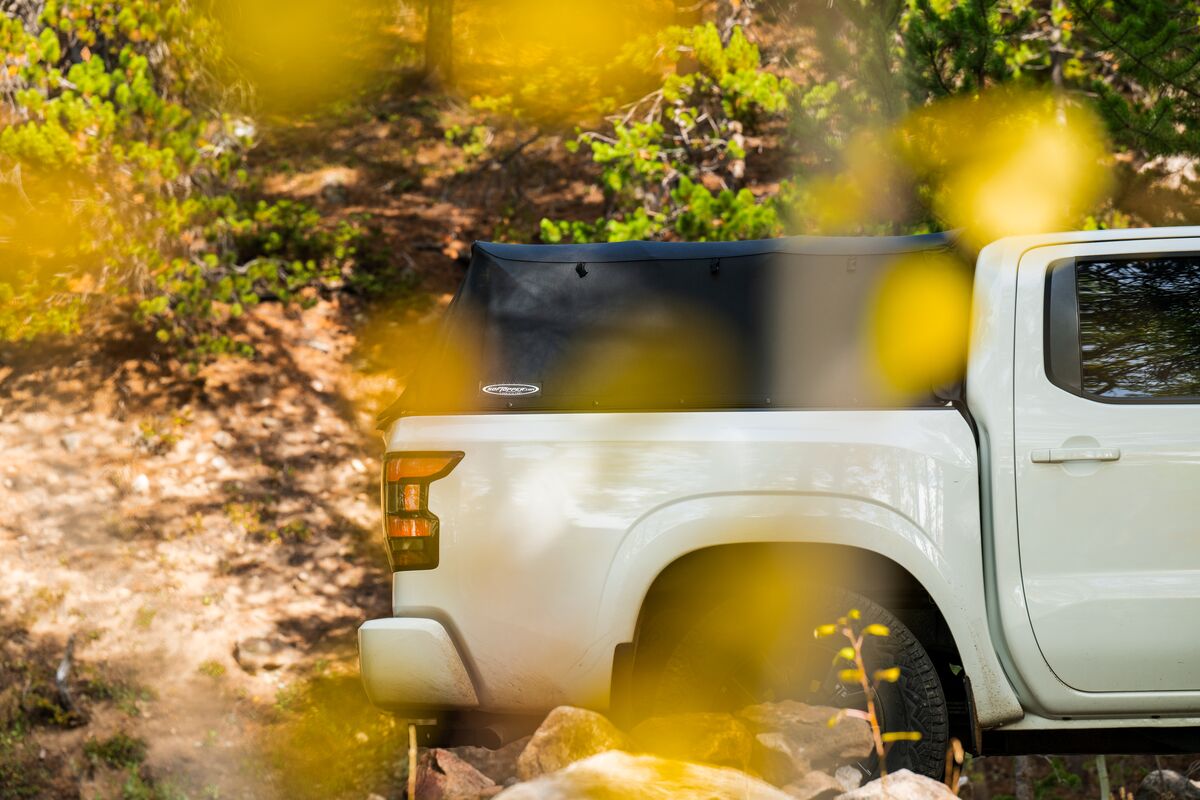
Bed length is the spec that determines topper fitment because every Softopper is built for a specific year, make, model, and bed length, not a one-size-fits-all shell. There is no universal sizing. A short bed and a standard bed on the same truck take different models, so your measured length is what points you to the correct one.
Getting that number right up front saves you the hassle later. When you order by your actual bed length, the frame lines up with your bed rails, the fabric sits where it should, and install goes the way it is supposed to.
What You Need Before You Start
Bed length is the spec that determines topper fitment because every Softopper is built for a specific year, make, model, and bed length, not a one-size-fits-all shell. There is no universal sizing. A short bed and a standard bed on the same truck take different models, so your measured length is what points you to the correct one.
Getting that number right up front saves you the hassle later. When you order by your actual bed length, the frame lines up with your bed rails, the fabric sits where it should, and install goes the way it is supposed to.
How to Measure Your Truck Bed for a Topper
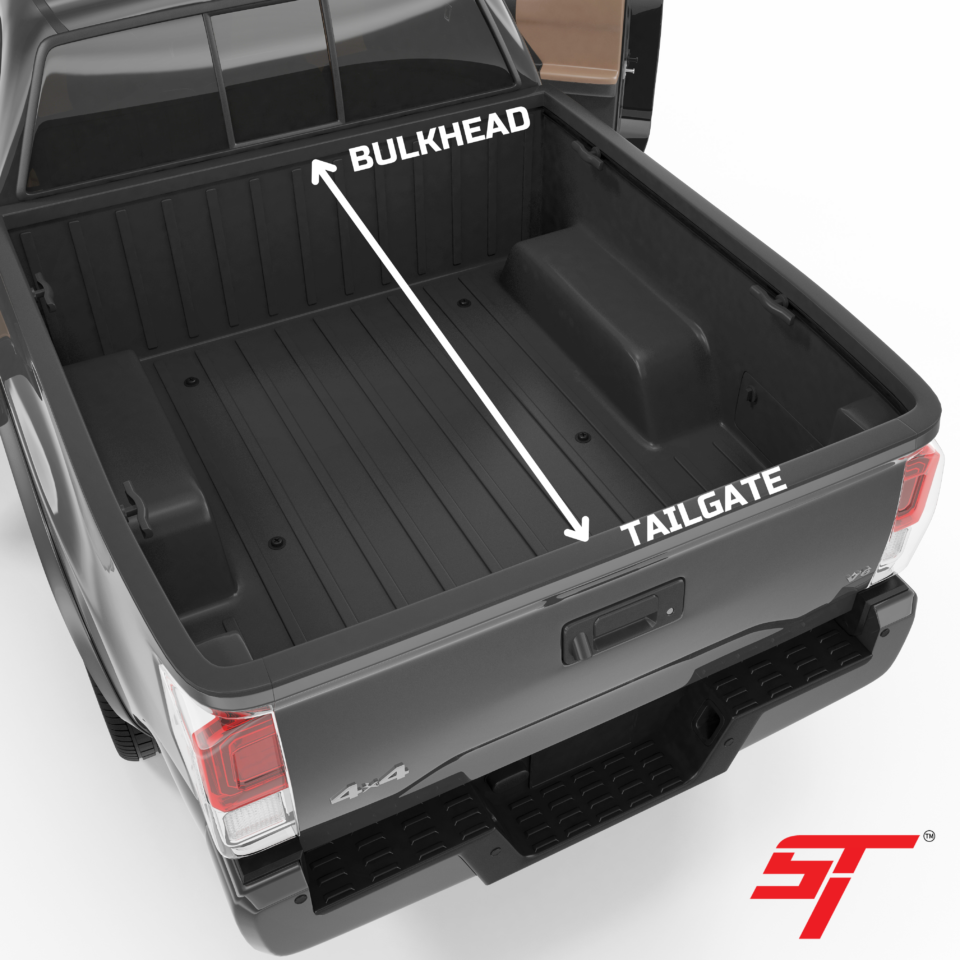
To measure your truck bed for a topper, close and latch the tailgate, then run a flexible tape from the inside of the front wall to the inside of the tailgate along the top of the bed, and record the number in inches. Measure along the top, not the bottom, and take the reading twice to confirm it.
- Clear the bed completely so nothing sits between the front wall and the tailgate.
- Close the tailgate and make sure it is fully latched. This is the position that reflects your true usable length.
- Start at the inside of the front wall, the bulkhead behind the cab, at the top of the bed.
- Extend the tape straight back to the inside of the closed tailgate, keeping it along the top edge rather than the bottom.
- Read and record the length in inches. Measuring along the bottom skews the result, so keep the tape up top.
- Measure a second time. If both readings match, that is your bed length to order by.
For a visual walkthrough, watch our quick guide on measuring your bed length correctly:
You can also follow along with our full how to measure bed length walkthrough, which covers the same steps and includes a reminder to double-check before ordering.
Why Your Bed Is Shorter Than the Advertised Size
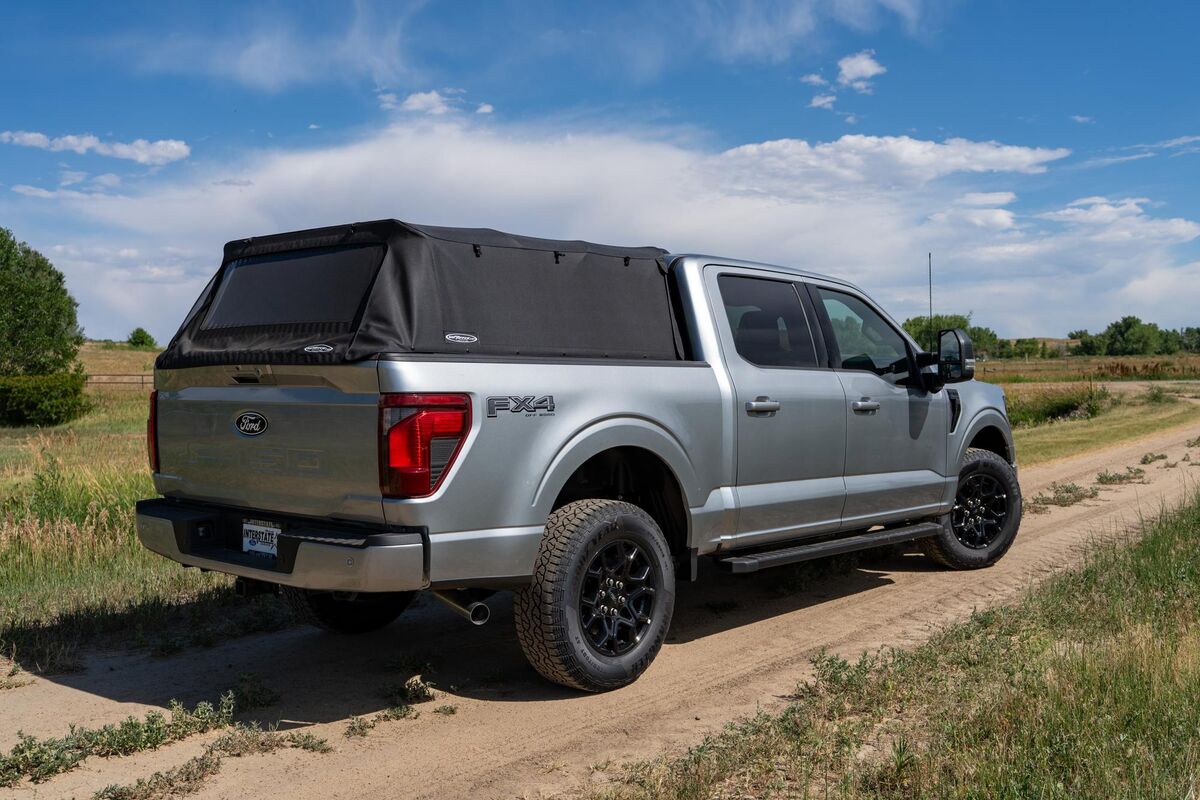
Your bed measures shorter than the advertised size because manufacturers round the numbers they publish. A bed sold as “6.5 ft” often measures somewhere around 6 feet 6 inches to 6 feet 7 inches once you put a tape on it, and that small gap is normal across makes and models.
That is exactly why you measure your own truck instead of trusting the badge or the brochure. Your recorded inches are the real figure, and they are what you match to a vehicle-specific fitment.
Common Truck Bed Lengths by Model
Most trucks are offered in more than one bed length, which is why the model name alone is not enough. Use the ranges below as a starting point, then confirm with your own measurement, since advertised sizes are rounded.
Truck
Common bed lengths
Ford
5.5 ft, 6.5 ft, 8 ft
Toyota Tacoma
5 ft, 6 ft
Ram 1500 / 2500 / 3500
5.5 ft, 6.5 ft
Chevy Silverado / GMC Sierra 1500
5.2 ft, 6 ft
Chevy Colorado / GMC Canyon
5.8 ft, 6.5 ft, 8 ft
Jeep Gladiator
5 ft
Fitment Is More Than Length: Bed Liners, Toolboxes, and Rails
Length gets you most of the way, but a few things in and around the bed affect fitment because a Softopper clamps to your bed rails. Check for a toolbox, a bed liner, and any existing cover before you order, since each one changes how the clamps make contact. Here is how the common ones play out:
- A toolbox that sits on the bed floor with about 2 inches of clearance from the bed edge is usually fine. An over-the-rail toolbox has to come out, because it occupies the space the top needs.
- An over-the-rail bed liner requires drilling clamp holes through the liner so the clamps reach the metal rails underneath. That means two holes per side on standard beds, and three per side on 8-foot and Super Duty beds.
- A tonneau cover cannot stay. A Softopper and a tonneau both mount to the bed rails, so you run one or the other, not both.
For a fuller rundown of what pairs with your setup, see the Softopper Compatibility Guide, and check the Frequently Asked Questions for measuring and install details.
How to Find the Softopper That Fits Your Truck
To find the Softopper that fits your truck, match your year, make, and model to a vehicle-specific fitment, then confirm your measured bed length so you land on the right size for your exact bed. Because Softopper builds fitted models rather than a universal shell, this is what makes the top sit and clamp the way it should.
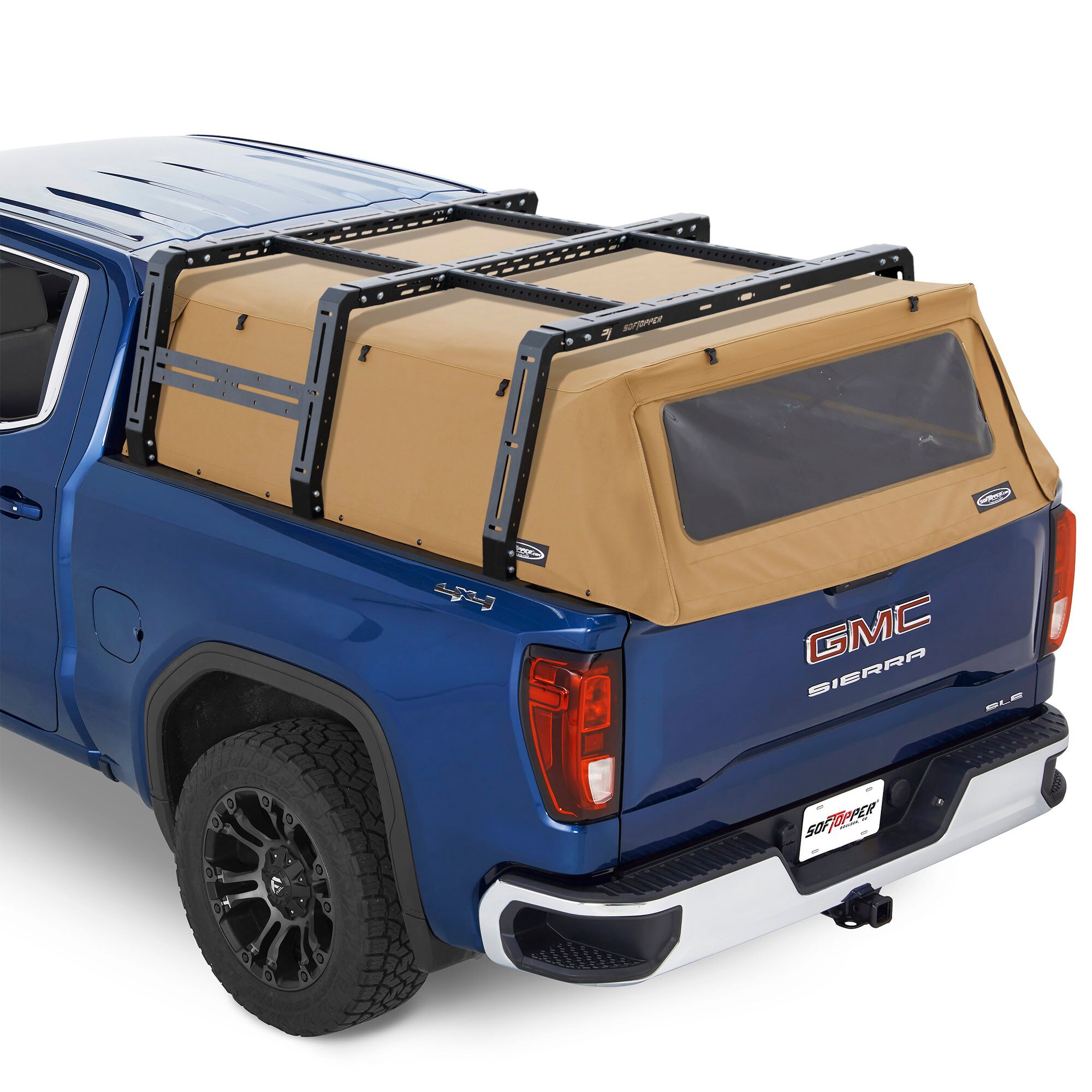
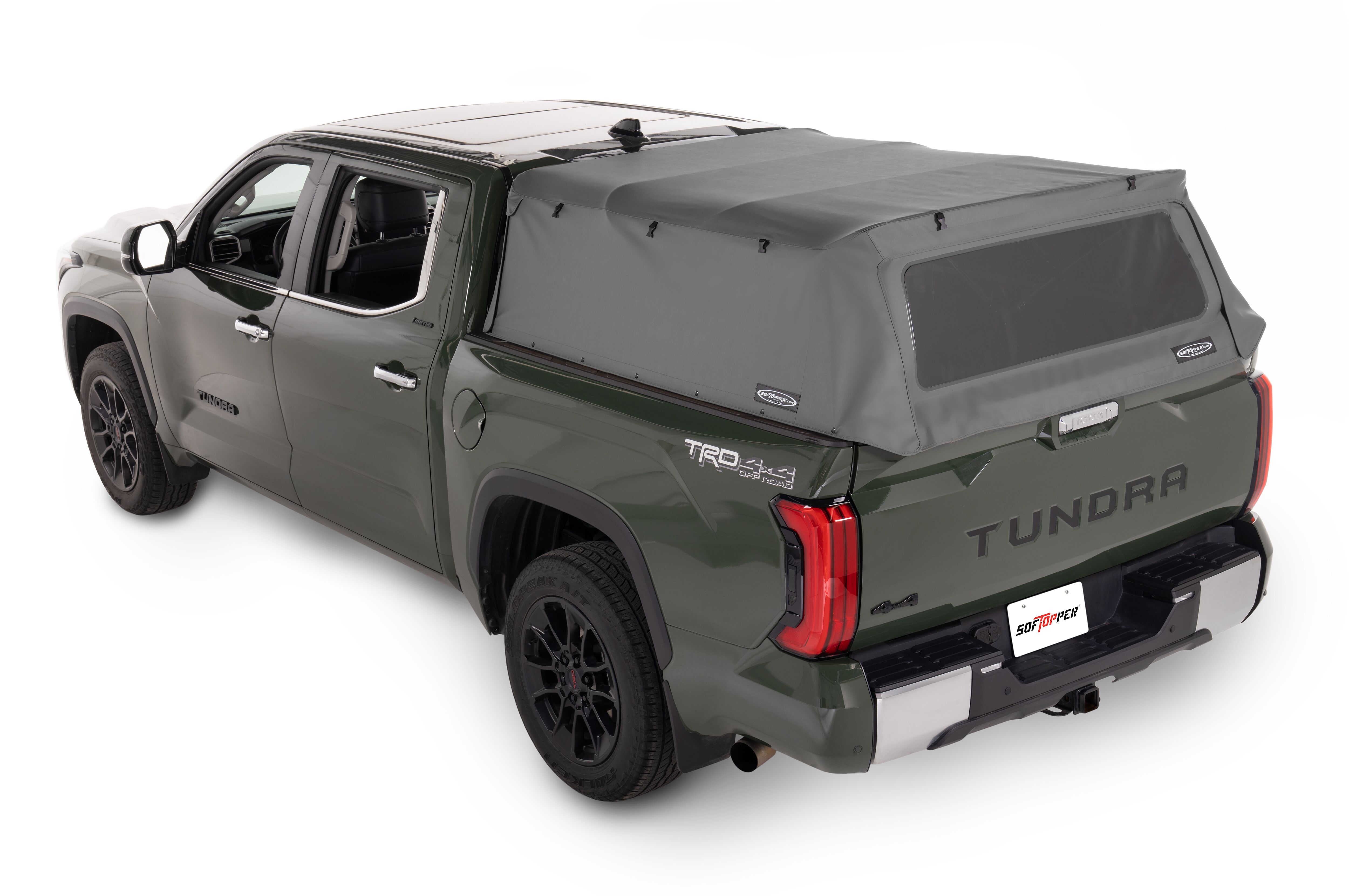
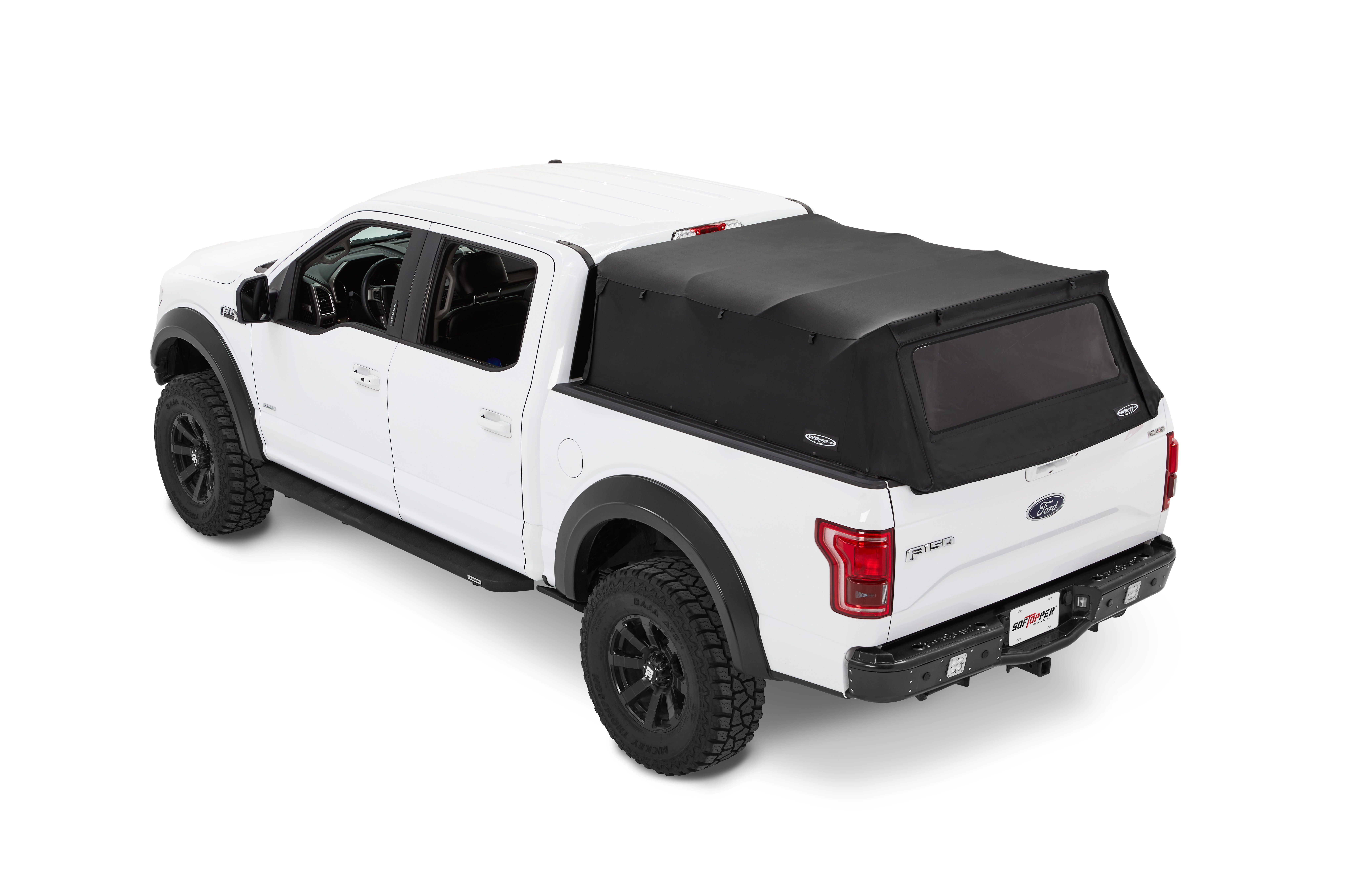
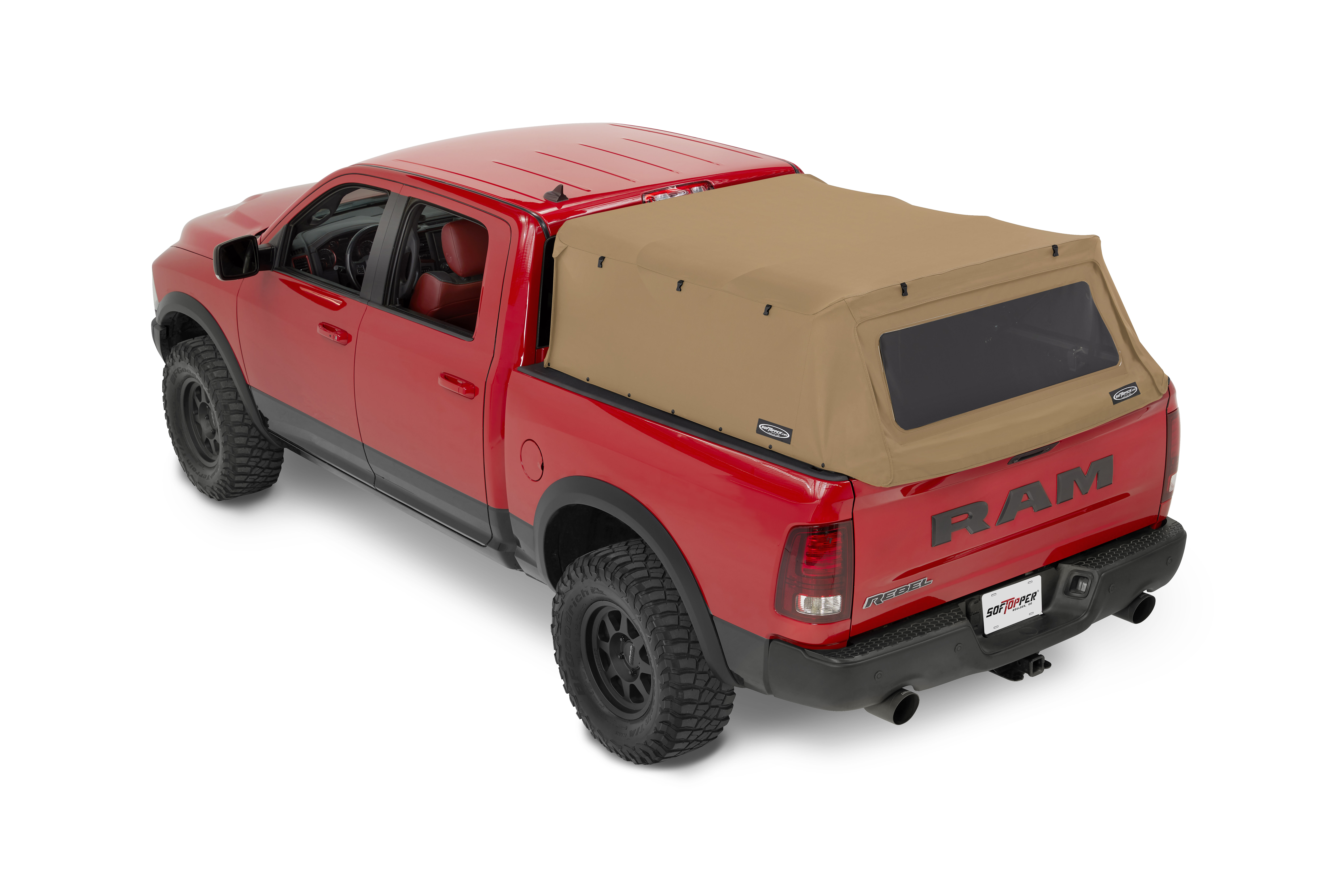
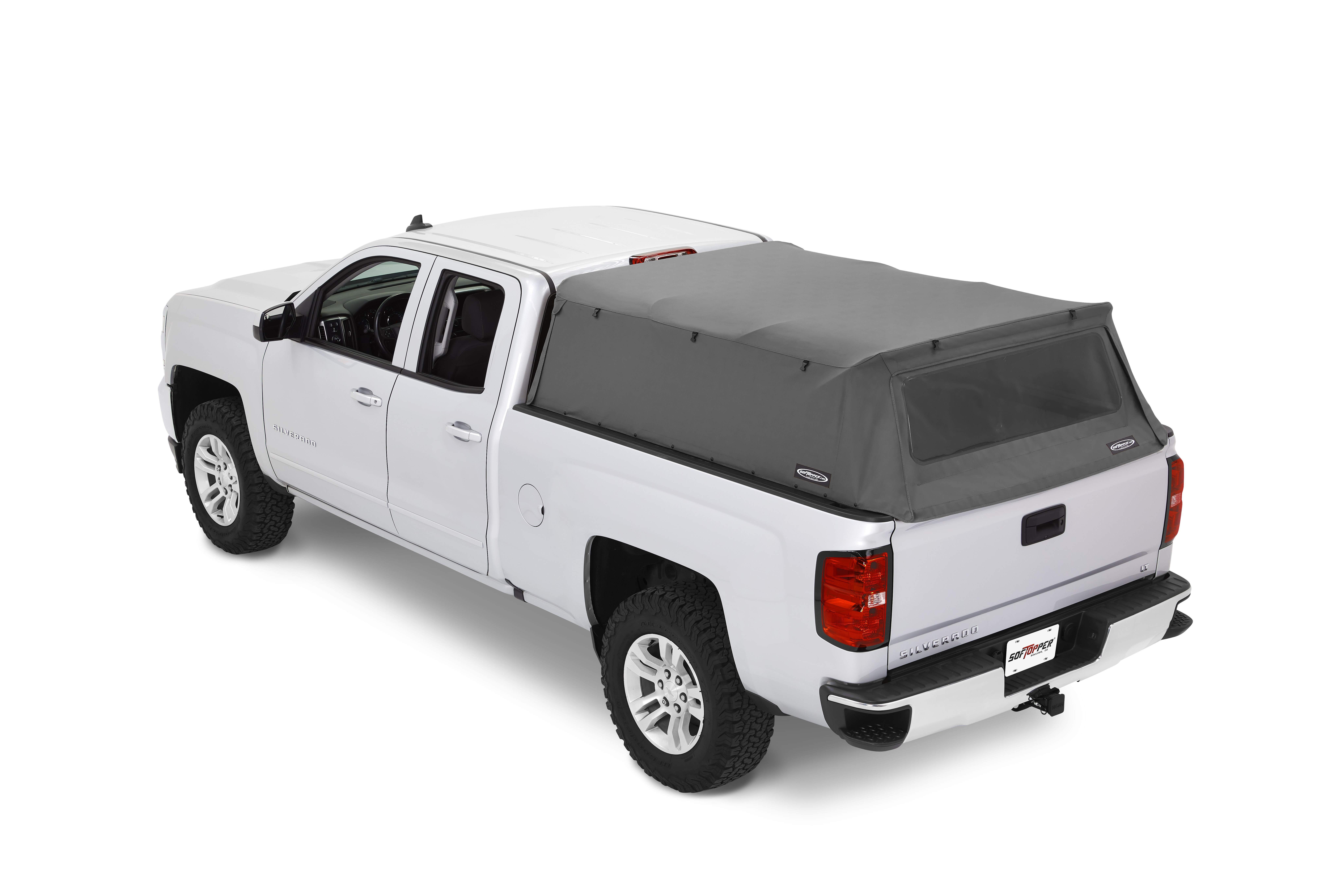
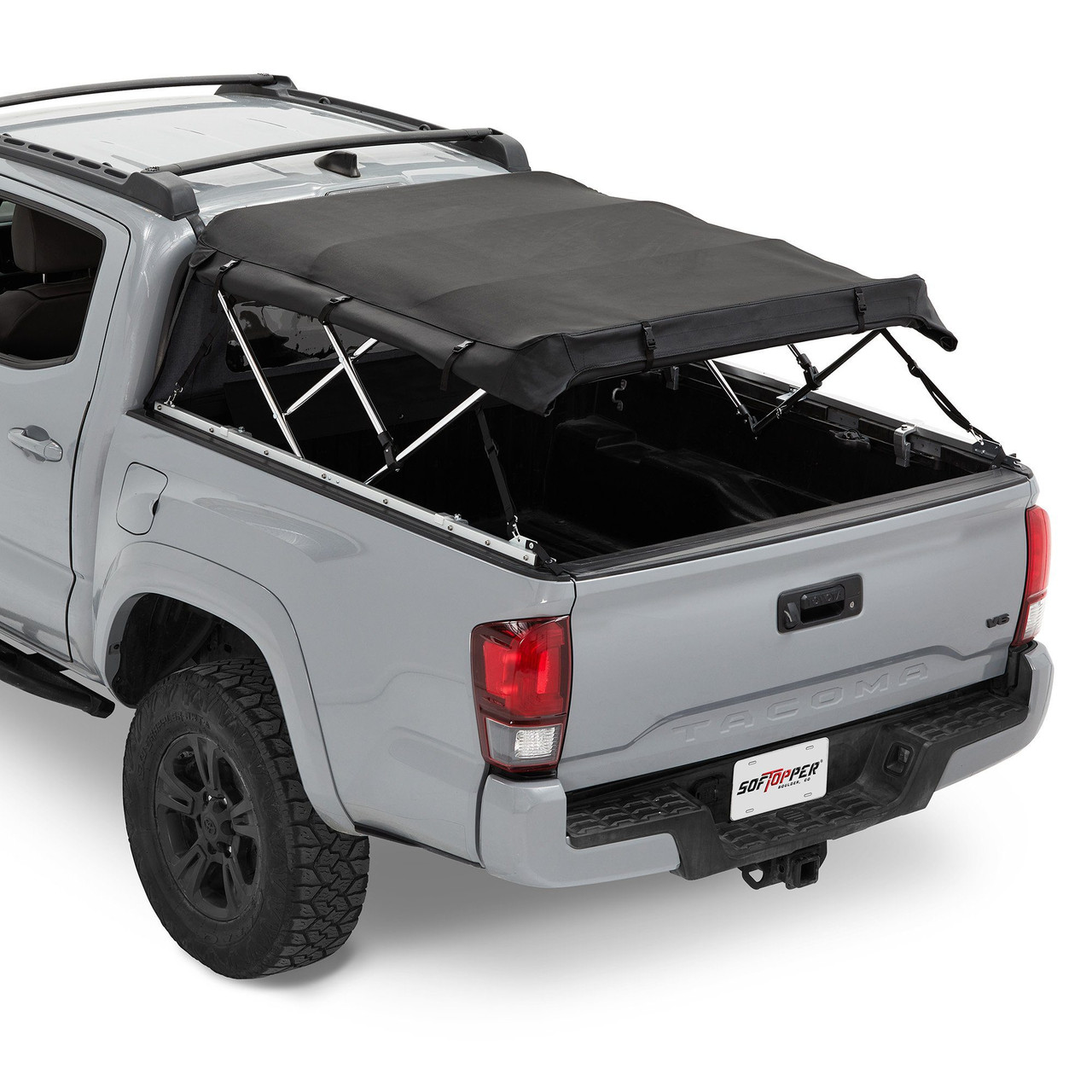
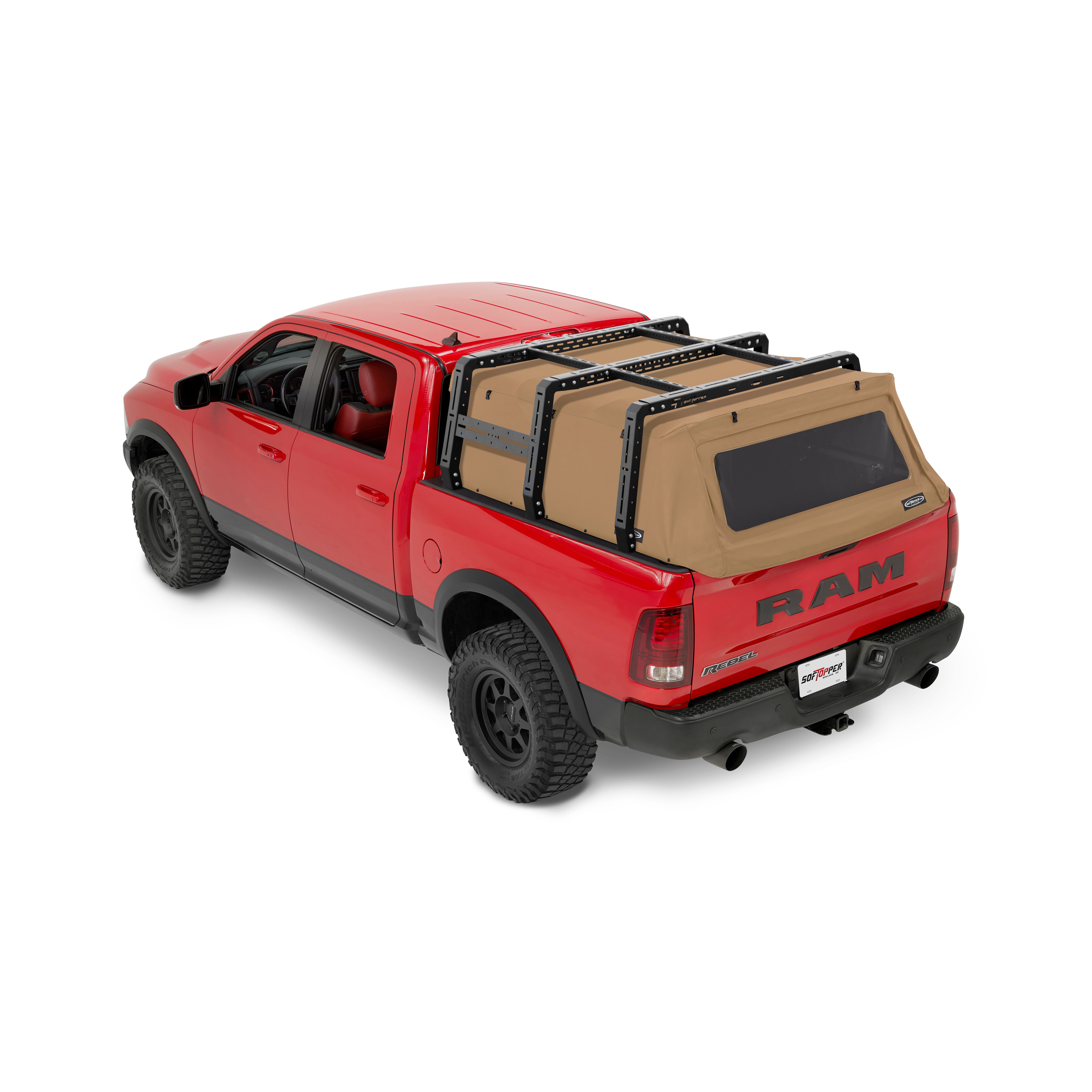
The lineup covers most major platforms, so there is likely a model engineered for your truck. Popular fitments include the Ford F-150 soft truck top, Toyota Tacoma soft truck top, Ford Ranger soft truck top, Ram soft truck top, GMC Sierra soft truck top, and Jeep Gladiator soft truck top. Other trucks like the Toyota Tundra are covered across the range too, and you can browse everything from the shop all truck soft tops page. In all, Softopper spans more than 50 vehicle-specific fitments, from the small Ford Maverick up to the 8-foot-bed Ford Super Duty.
Keep in mind that a single fitment is built for a specific configuration, not a whole lineup. Two trucks that look alike can take different models, so your year, make, model, and measured length together are what confirm the match.
Measure Once, Order Right
Measuring is the step that makes the rest easy. Take two minutes, record your bed length in inches, and use it to find the vehicle-specific Softopper engineered for your truck. Start with your year, make, and model, then confirm your measured length against the fitment so the top you order is the one built for your exact bed.
Frequently asked questions
“Canvas” is a catch-all term for a soft truck top’s fabric. In practice, Softopper builds tops from two proven materials: Standard Vinyl, a 2-ply PVC-coated sailcloth that sheds water and resists UV, and Premium Black Twill, a triple-layer woven acrylic fabric with added insulation and a matte finish.
Measure from the inside of the front wall, the bulkhead behind the cab, straight back to the inside of the closed tailgate. Keep the tape along the top edge of the bed, not the bottom. Measuring along the bottom skews the number, so read and record along the top.
Measure with the tailgate up, fully closed and latched. That position reflects the true usable length the top has to cover. A dropped tailgate adds space the top does not use, so a closed, latched tailgate gives you the number that matches a Softopper fitment.
Manufacturers round the bed sizes they publish, so a bed sold as “6.5 ft” often measures around 6 feet 6 inches to 6 feet 7 inches on a tape. That small gap is normal, which is why you measure your own truck and order by your recorded inches rather than the advertised figure.
Yes. A floor-sitting toolbox with about 2 inches of clearance is usually fine, but an over-the-rail toolbox must come out. An over-the-rail bed liner needs clamp holes drilled through it so the clamps reach the metal rails, two per side on standard beds and three per side on 8-foot beds.
Match your year, make, and model to a vehicle-specific fitment, then confirm your measured bed length. Softopper builds fitted models rather than a universal shell, with more than 50 fitments spanning from the Ford Maverick to the 8-foot Super Duty, so there is likely one engineered for your exact bed.