











.jpg)

.jpg)
.jpg)
.jpg)
.jpg)

.jpg)


Key Takeaways
- Soft truck tops are worth it if you want covered cargo most days and a full open bed in seconds for bigger loads.
- Price depends on your truck, bed length and fabric choice, so your vehicle’s product page is where you’ll find the real number.
- A soft truck top holds up because the anodized aluminum frame resists corrosion and worn parts like buckles and snaps swap out individually.
- A soft truck top handles rain, snow loads and highway wind, though it won’t seal like a hard cap and seams can leak in spots.
A truck should stay a truck. That means covered cargo when you need it and a wide-open bed when a load of mulch or a new dresser shows up.
So, are soft truck tops worth it? The answer comes down to price, durability and how you actually use your truck. This guide covers what a soft truck top costs, how long it lasts, what wears out and what it takes to own one.
It’s written for the everyday pickup owner who’s close to buying and wants a straight answer. We’ll also be honest about where a hard cap does better.
Are Soft Truck Tops Worth It? The Short Answer
Yes, soft truck tops are worth it for most everyday pickup owners who want covered, weather-resistant storage without giving up the open bed. You get protection for gear and groceries, then fold the top forward in seconds when a tall load comes along. If locked security and a tight seal matter most, a hard cap is the better buy.
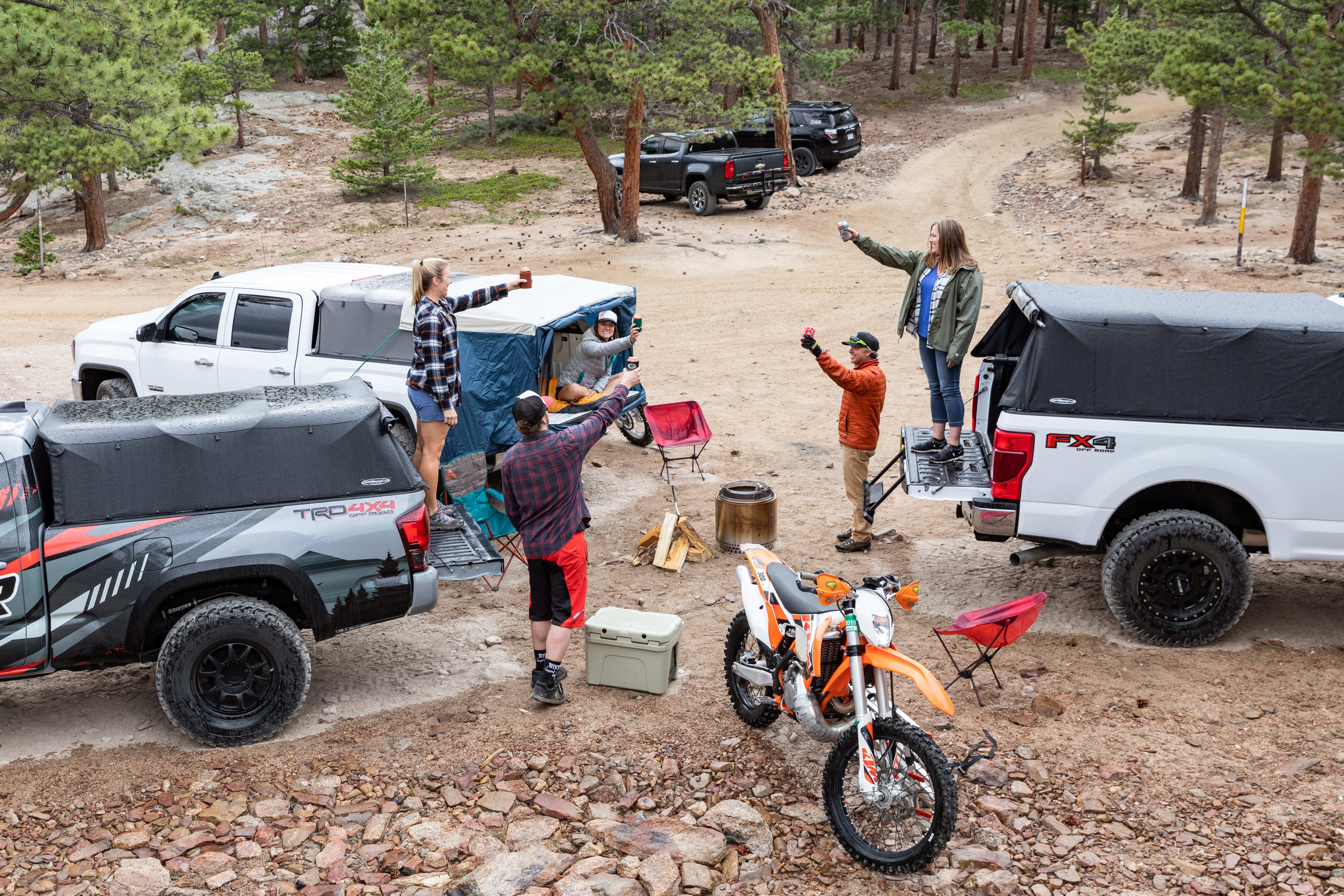
The value comes from not having to choose. A hard cap turns your pickup into a covered box full-time, and taking it off is a real project.
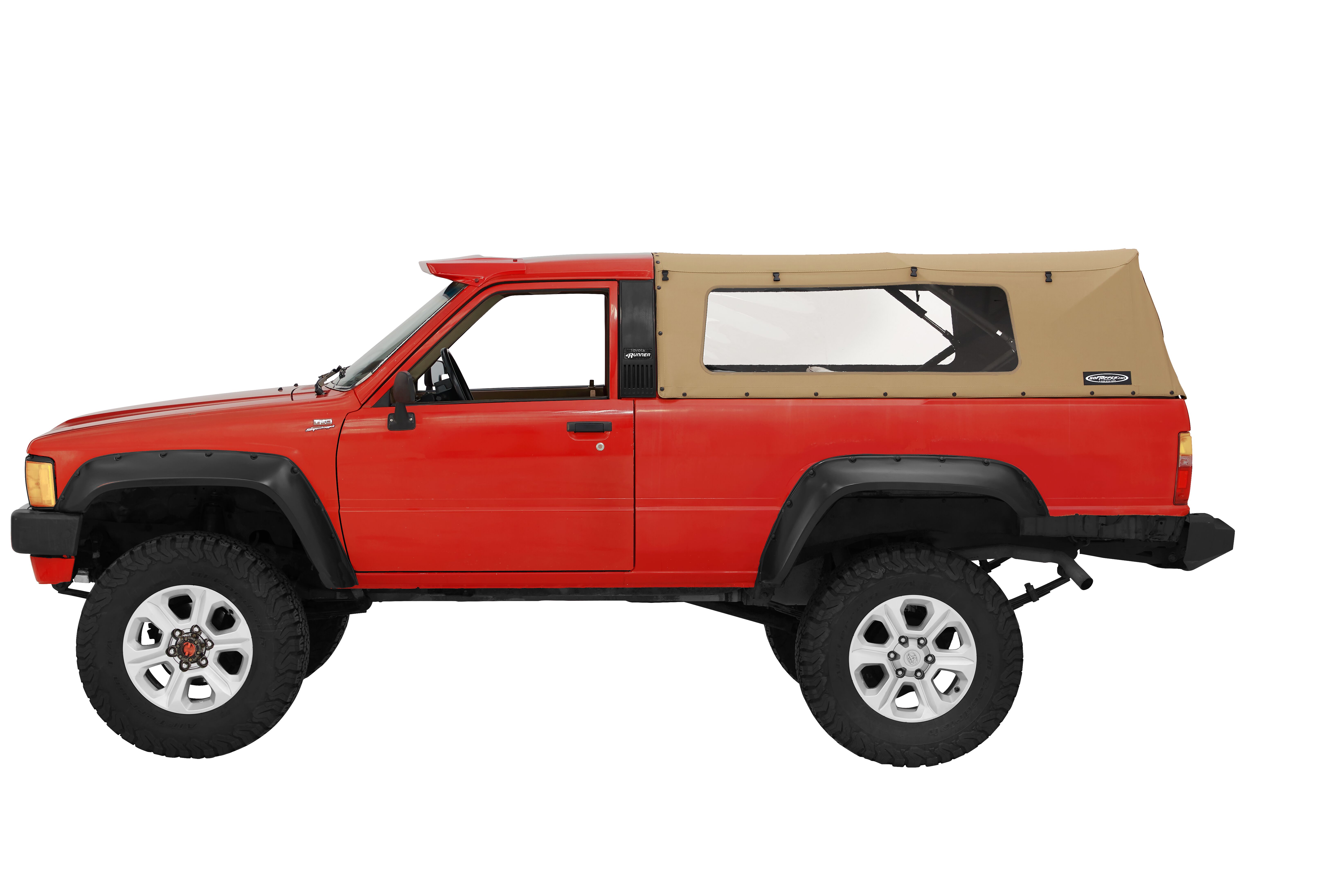
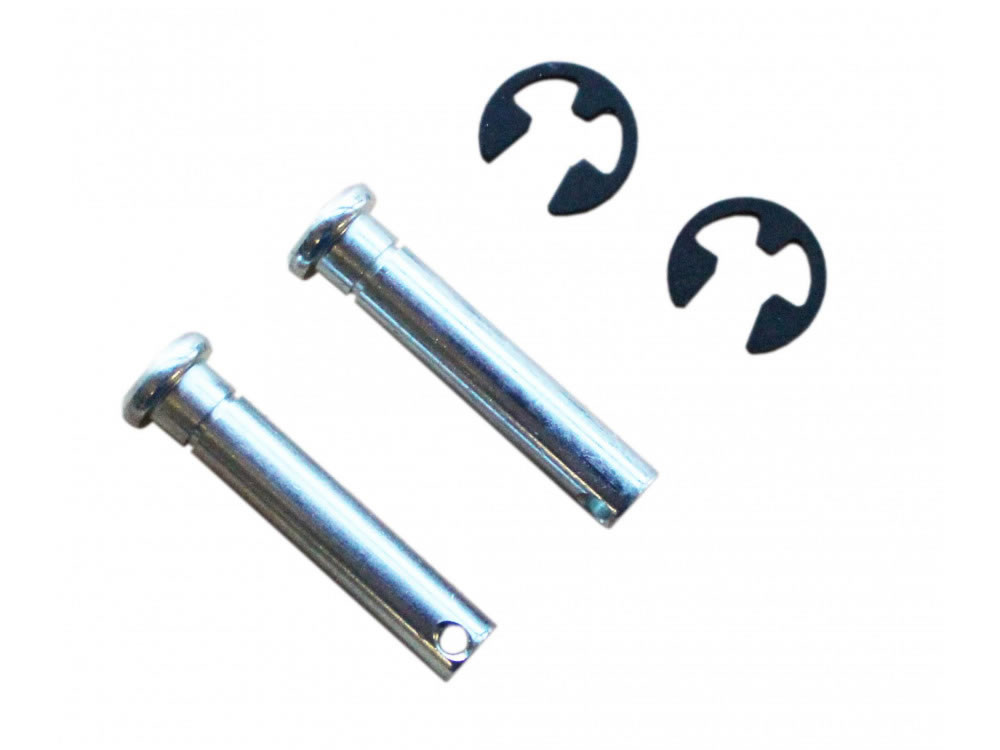
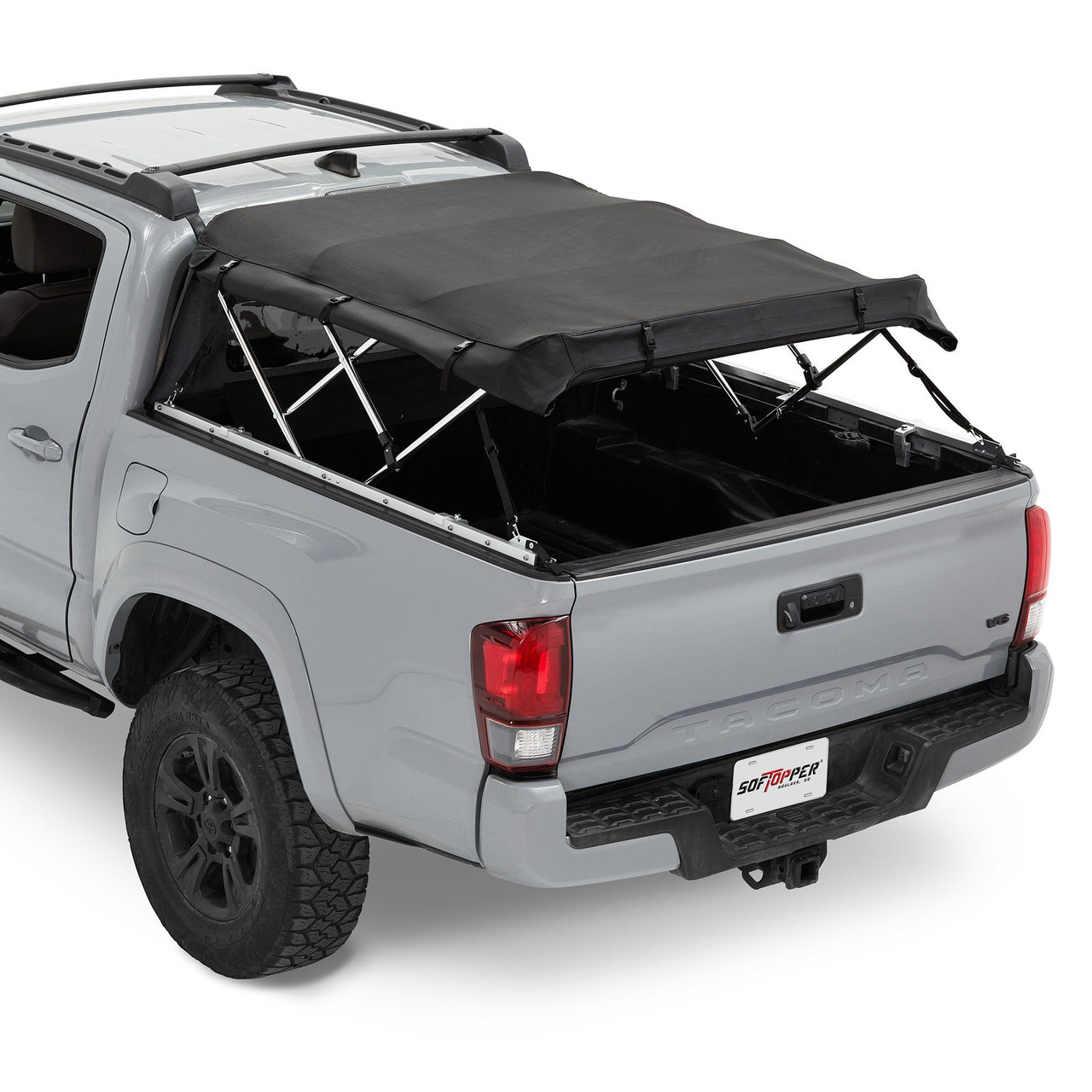
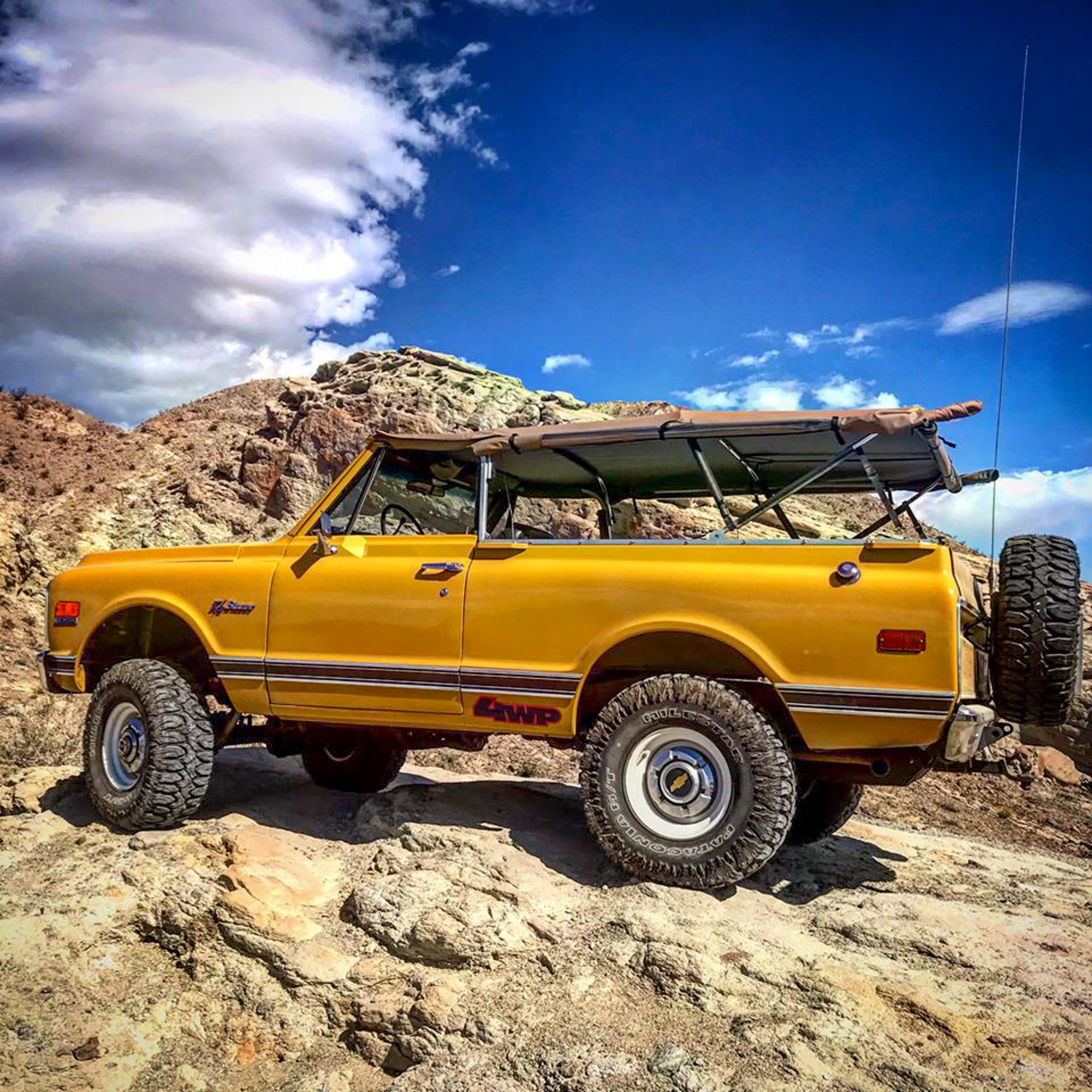
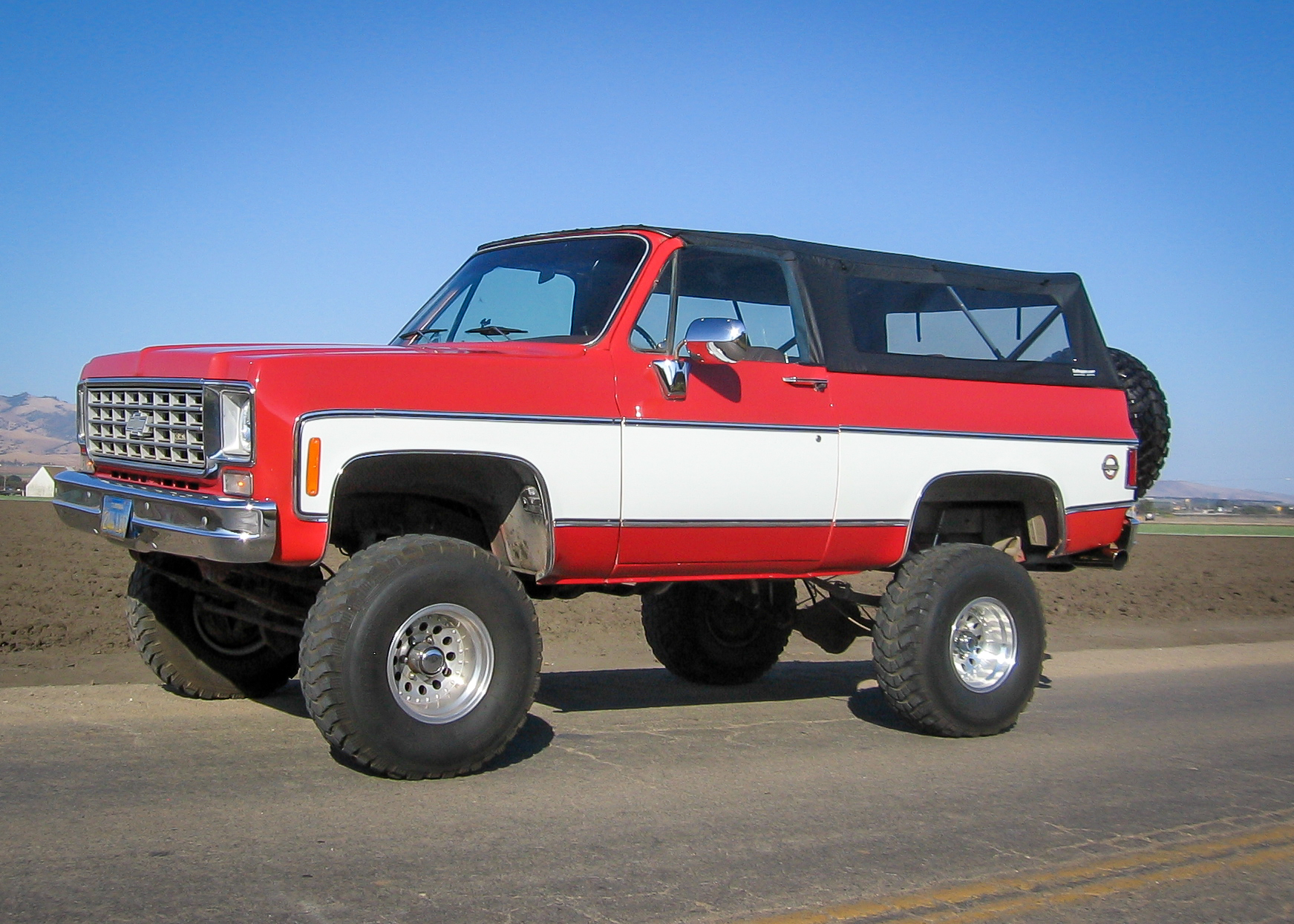
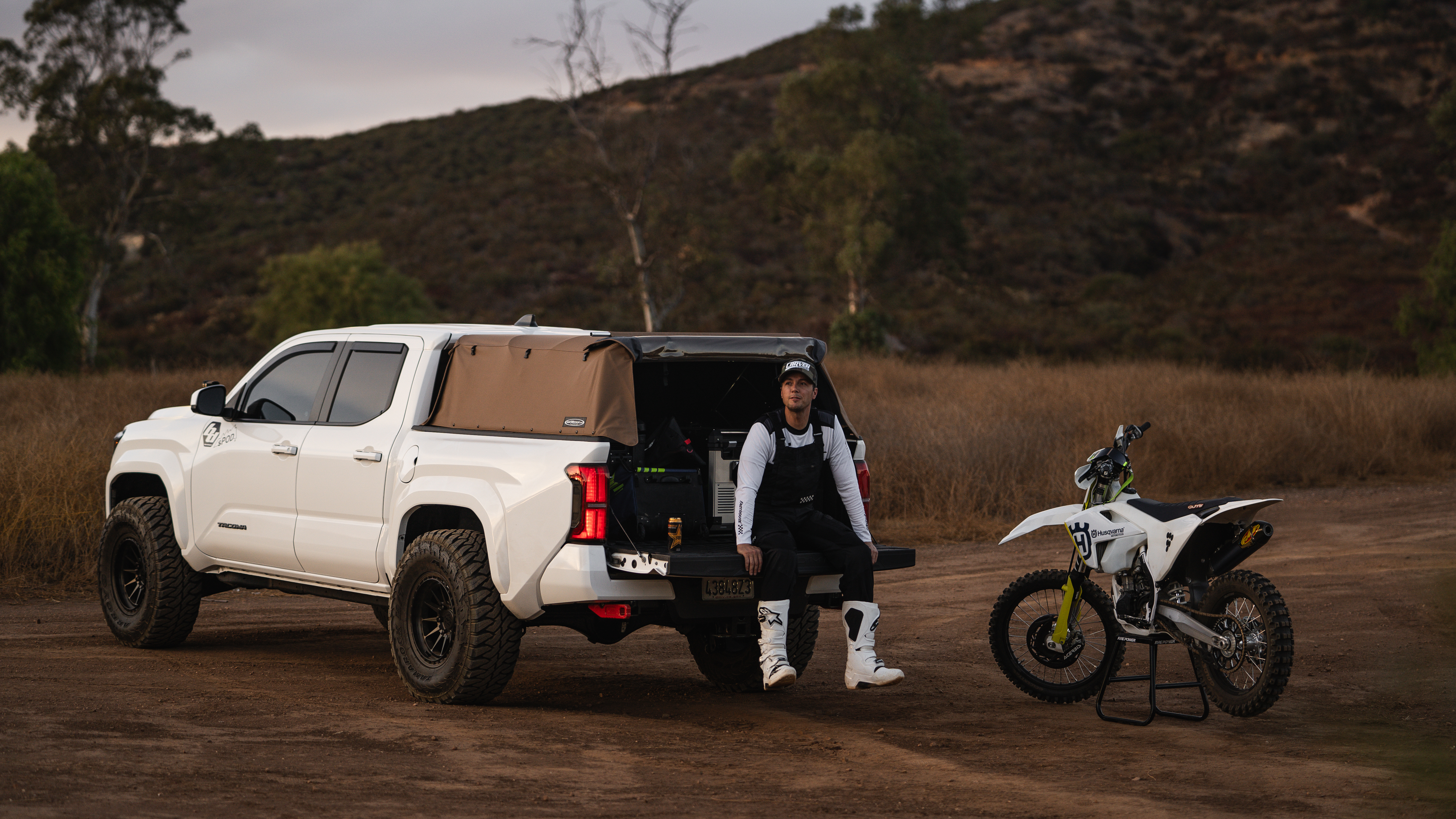
Your Softopper works in two distinct states. Retracted, it folds forward toward the cab, with the frame still mounted and your rear window still visible. Removed, you lift the whole frame off the pivot pins for a completely open bed.
For most loads, retracting is enough. Full bed access doesn’t require taking the top off the truck. That flexibility is what you’re paying for.
What Does a Soft Truck Top Cost?
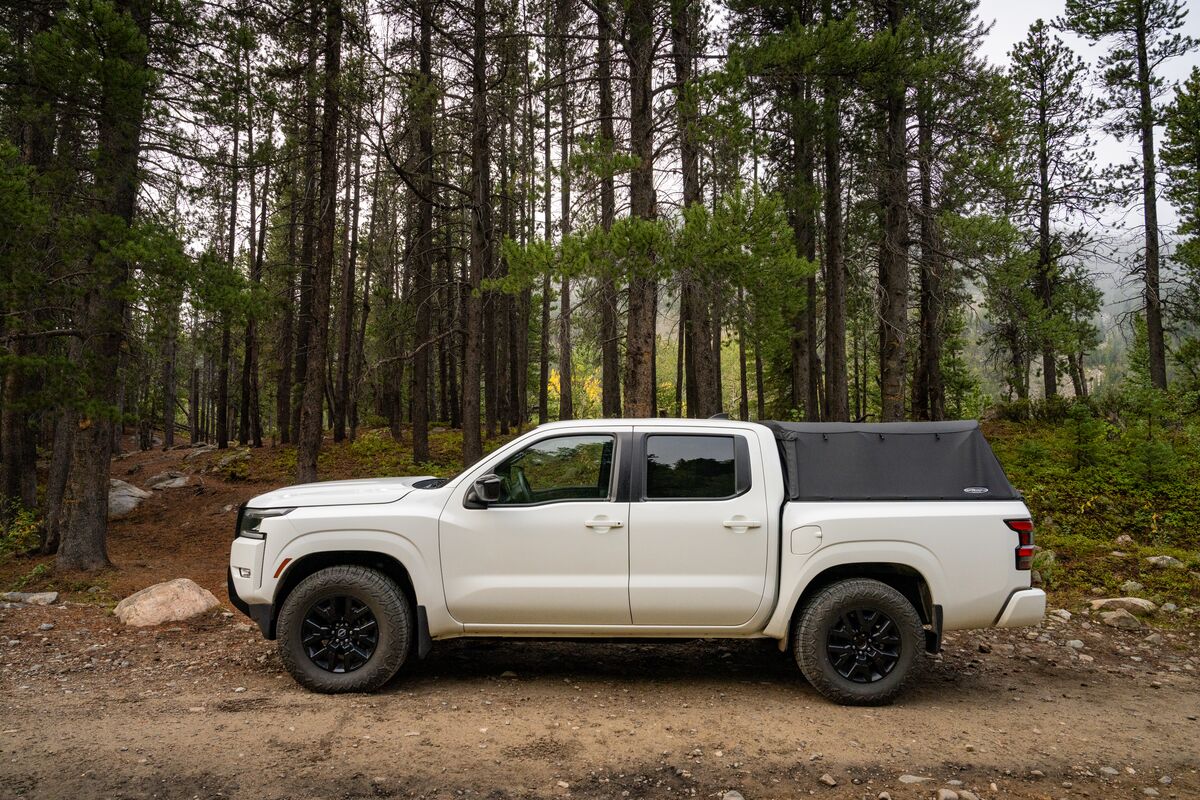
Soft truck top pricing varies by fitment and fabric, so your vehicle’s product page has the exact number. Compared with a painted fiberglass hard cap, a soft truck top usually costs less upfront. It also weighs much less and installs on most models with no drilling.
Hard caps vary just as widely, depending on material, paint matching and options. When you compare quotes, compare what each one costs to live with, too.
Browse Softopper truck tops to see the range. There are 50-plus vehicle-specific fitments, from the Ford Maverick to the 8-ft Super Duty. Military members and first responders get 10% off.
What Drives the Price
Three things move the number: your truck, your bed length and your fabric. Every Softopper is engineered for a specific truck and bed length. Bigger beds mean more frame and fabric, which is why weight runs 18 to 48 lbs depending on fitment.
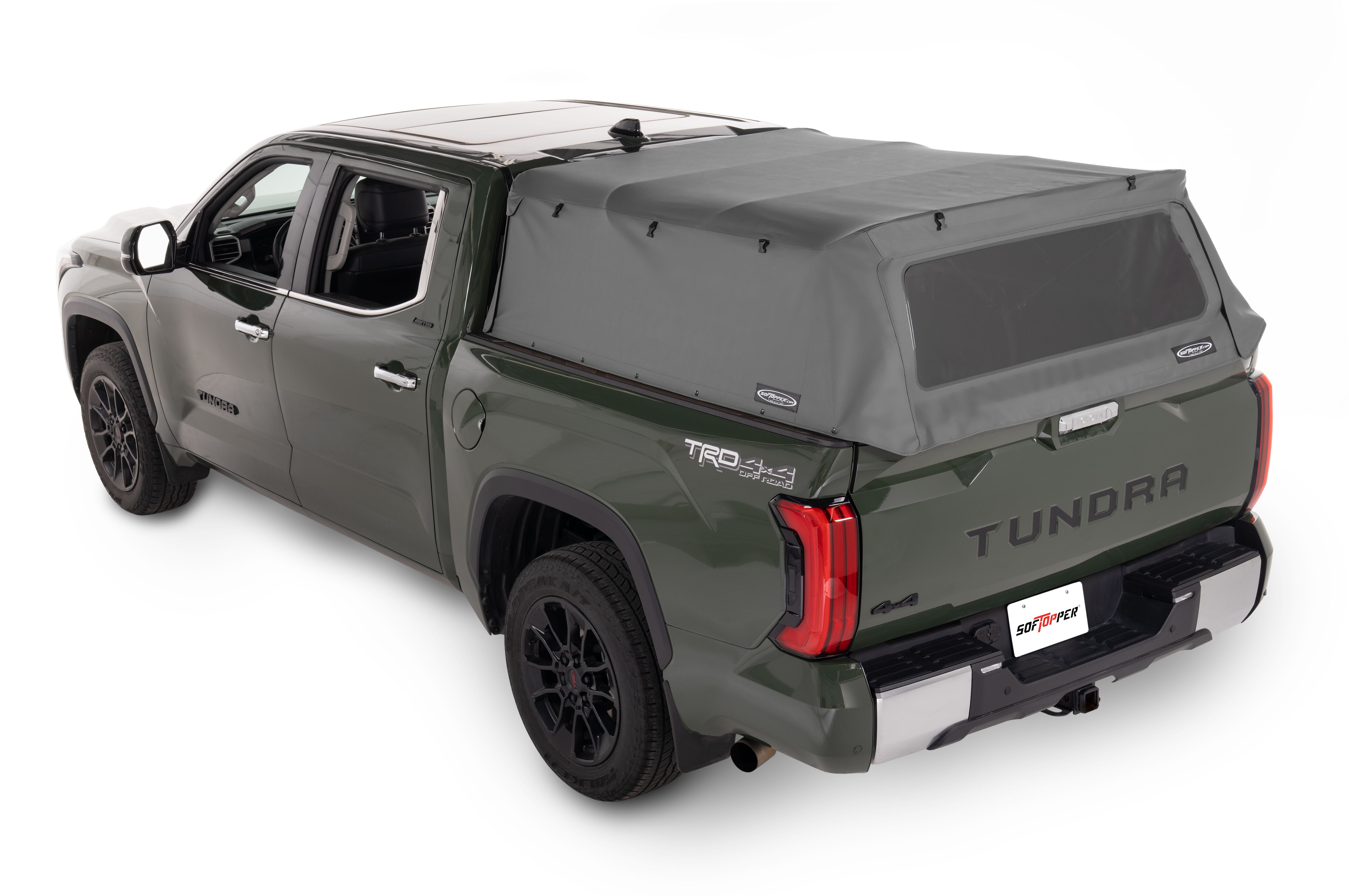
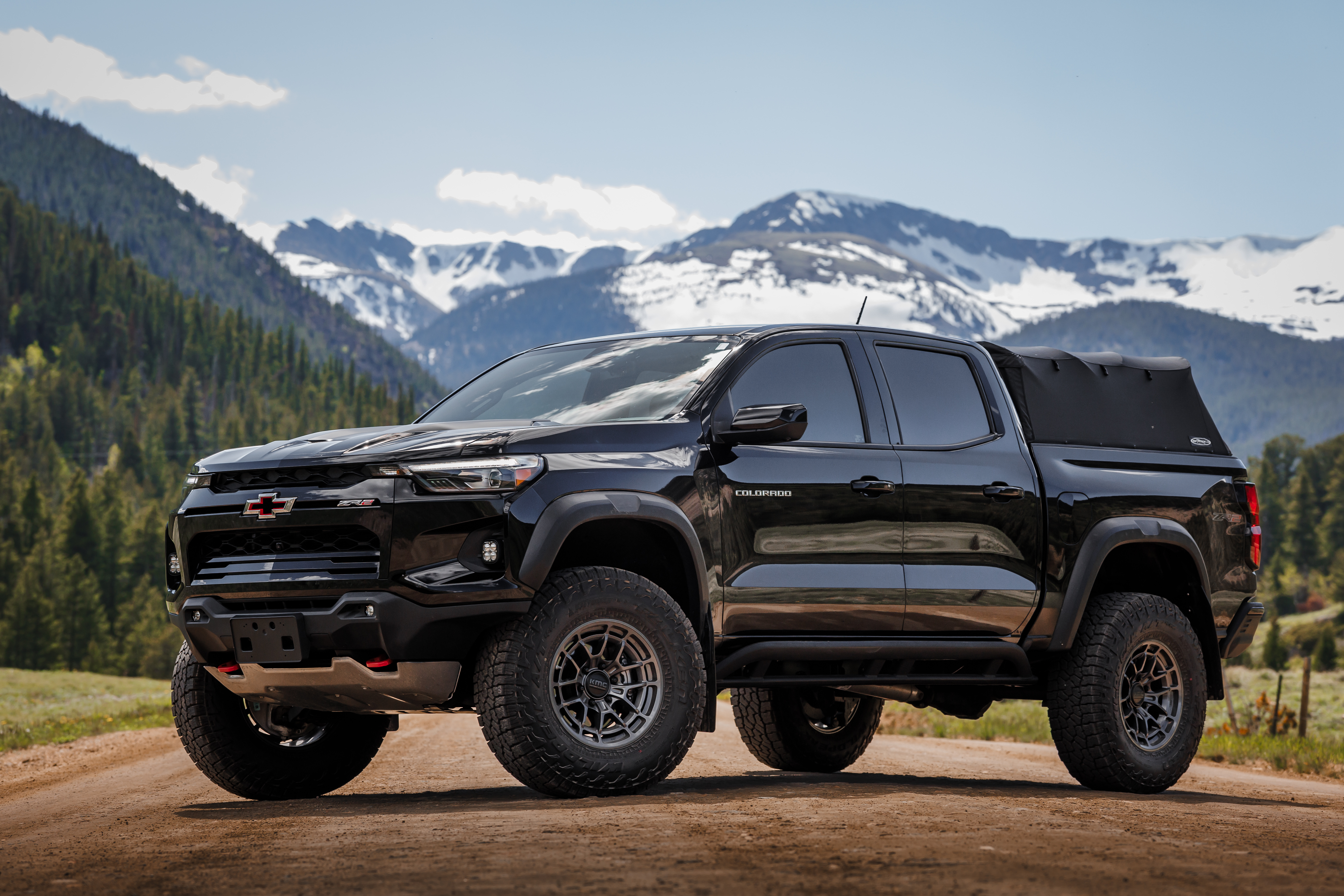
To see real numbers, check the page for your truck, like the Softopper for the Toyota Tacoma, the F-150 Softopper or the Chevy Silverado Softopper. Each page lists the year ranges and bed lengths it fits.
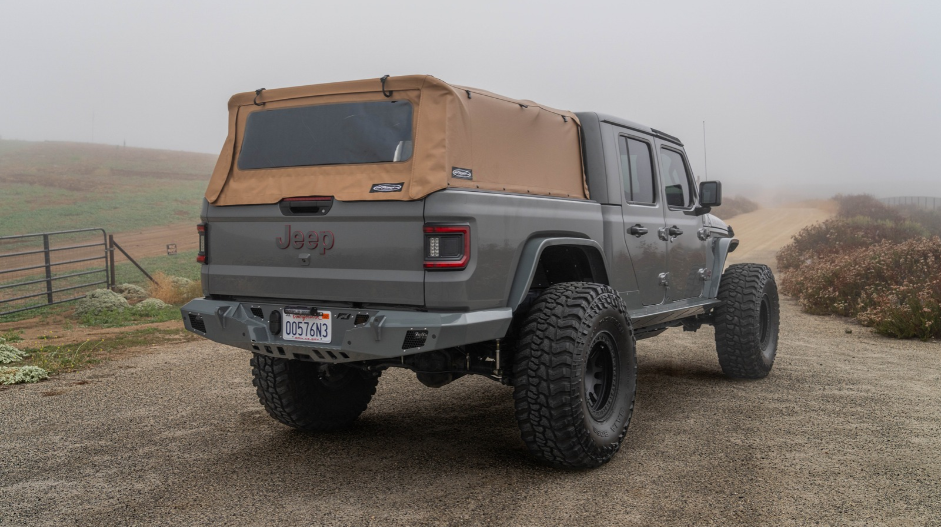
Fabric is the other big lever. Standard Vinyl is a 2-ply PVC-coated sailcloth, a waterproof vinyl fabric that’s UV- and mildew-resistant, in black, tan or grey. Premium Black Twill is a triple-layer fabric with a standard dark tinted rear window, and it isn’t offered on every model.
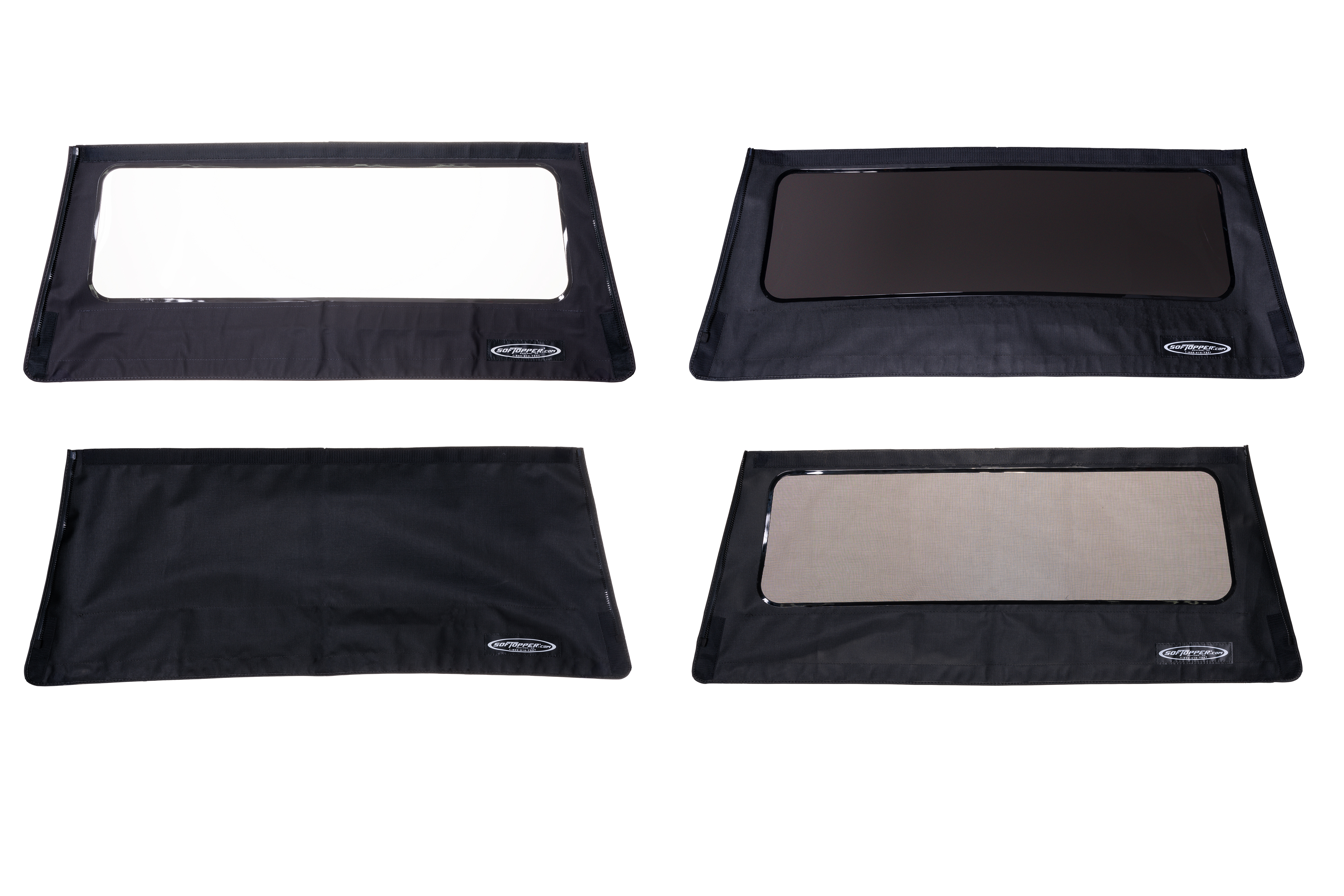
Windows won’t add to your day-one decision. Standard Vinyl tops ship with clear vinyl windows front and rear. Tinted, mesh and solid window panels are sold separately and swap in later.
Soft Truck Top vs Hard Cap: Value Comparison
Here’s how the two stack up on the factors that shape long-term value. A hard cap wins on security and weather sealing. A soft truck top wins on weight, bed access and repairability.
Value Factor
Soft Truck Top (Softopper)
Hard Cap
Upfront cost
Varies by fitment and fabric; usually lower than a painted fiberglass cap
Varies by material, paint match and options; usually the bigger upfront spend
Weight
18 to 48 lbs depending on fitment
Much heavier
Install and removal
About 45 to 60 minutes the first time; about 2 minutes to reinstall with the frame assembled
Heavier to lift on and off; many are meant to stay on
Bed access
Retracts toward the cab in seconds; lift the frame off the pivot pins to remove it
Through the tailgate and rear door; the bed stays covered
Security
Fabric doesn’t lock; add a lock box for valuables
Lockable hard shell; the clear winner
Weather sealing
Weather-resistant; seams can leak in trouble spots, and seam sealer is available
Tighter seal; the stronger choice for heavy weather
Repairability
Fabric, frame parts, window panels, buckles and snaps replace individually
Shell or glass damage usually means a bigger repair
Best for
Owners who switch between covered cargo and an open bed
Owners who want locked, sealed storage full-time
Want the full matchup on features, use cases and setup? Read our Softopper vs camper shell comparison.
How Long Does a Soft Truck Top Last?
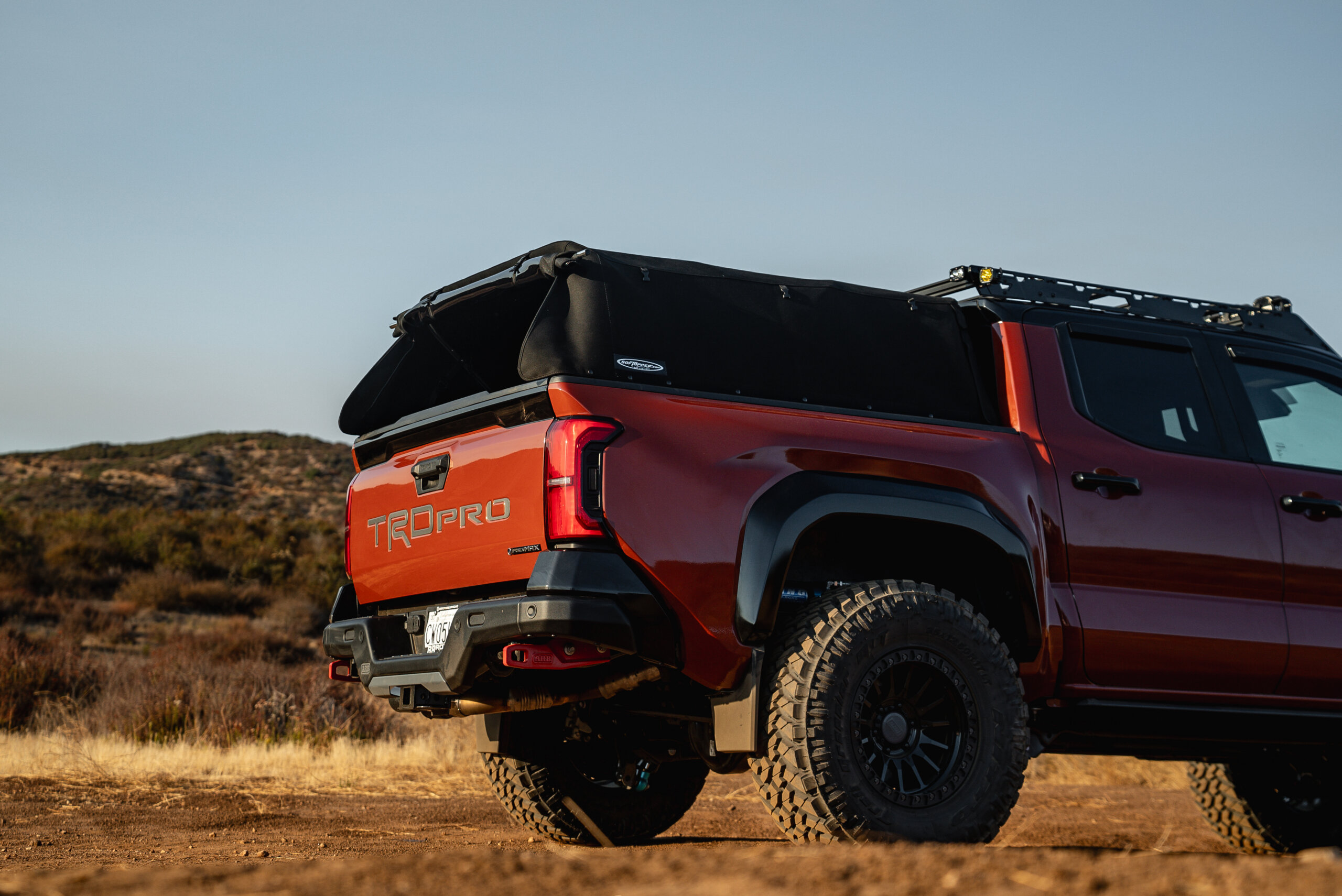
A Softopper can last for years with proper care, since worn parts can be replaced individually. The anodized aluminum frame resists corrosion, while the coated fabric helps resist UV damage and mildew. Care and usage matter more than age, and replacement options can significantly extend the top’s lifespan. Even if a part isn’t listed on the website, Softopper’s customer service team can help you find a replacement, including full frames, individual frame components, and canopies.
Expect a short break-in period. The fabric stretches and settles in over the first few weeks, which is normal for a new top.
What Lasts
The frame is the backbone. It’s rust-proof anodized aluminum, so rain and snowmelt won’t corrode it the way they can steel.
The fabric is the part you’ll see aging first, and how you treat it decides how long it looks good. Standard Vinyl is coated to shed water and resist UV and mildew, and Premium Black Twill adds triple-layer construction. Clean, protected fabric holds up far better than neglected fabric.
Softopper has built retractable soft truck tops since 2000, and the brand still designs and makes them in North America.
What Wears and What It Costs to Fix
The parts that wear are the small ones you handle every time you open or close the top. Here’s what owners replace most often, plus a fix for leaks:
- Buckles, the parts you handle every time you secure the top.
- Brackets, which you can replace without touching the rest of the frame.
- Snaps, which take repeated opening and closing.
- Window panels, which attach via zippers and swap out individually if one gets scratched.
- Seam sealer, for the occasional seam that lets water through.
None of these require a new top. Softopper replacement parts are made specifically for the Softopper, and many install without special tools. A buckle or a tube of seam sealer is a small-ticket fix next to replacing a whole top or cap.
Zippers are the exception. They aren’t swappable, so work them gently, especially in cold weather.
Is a Soft Truck Top Durable Enough for Weather, Wind and Highway Driving?
Yes, a soft truck top is designed for year-round use, including snow loads, and handles the same winds and highway speeds as a hard top. It’s weather-resistant, though it won’t seal as tightly as a hard cap. Sewn seams can leak in trouble spots, and seam sealer is available to close them up.
In rain, the coated fabric sheds water. Weather stripping runs beneath the Softopper bed rails, sealing along both sides of the truck box to help keep moisture and road debris out.
Where you might see drips is at seams and corners. A bead of seam sealer on the trouble spot is the usual fix.
Cold weather calls for more care with the vinyl windows. Be careful opening and rolling them in freezing temperatures, since cold vinyl is less forgiving.
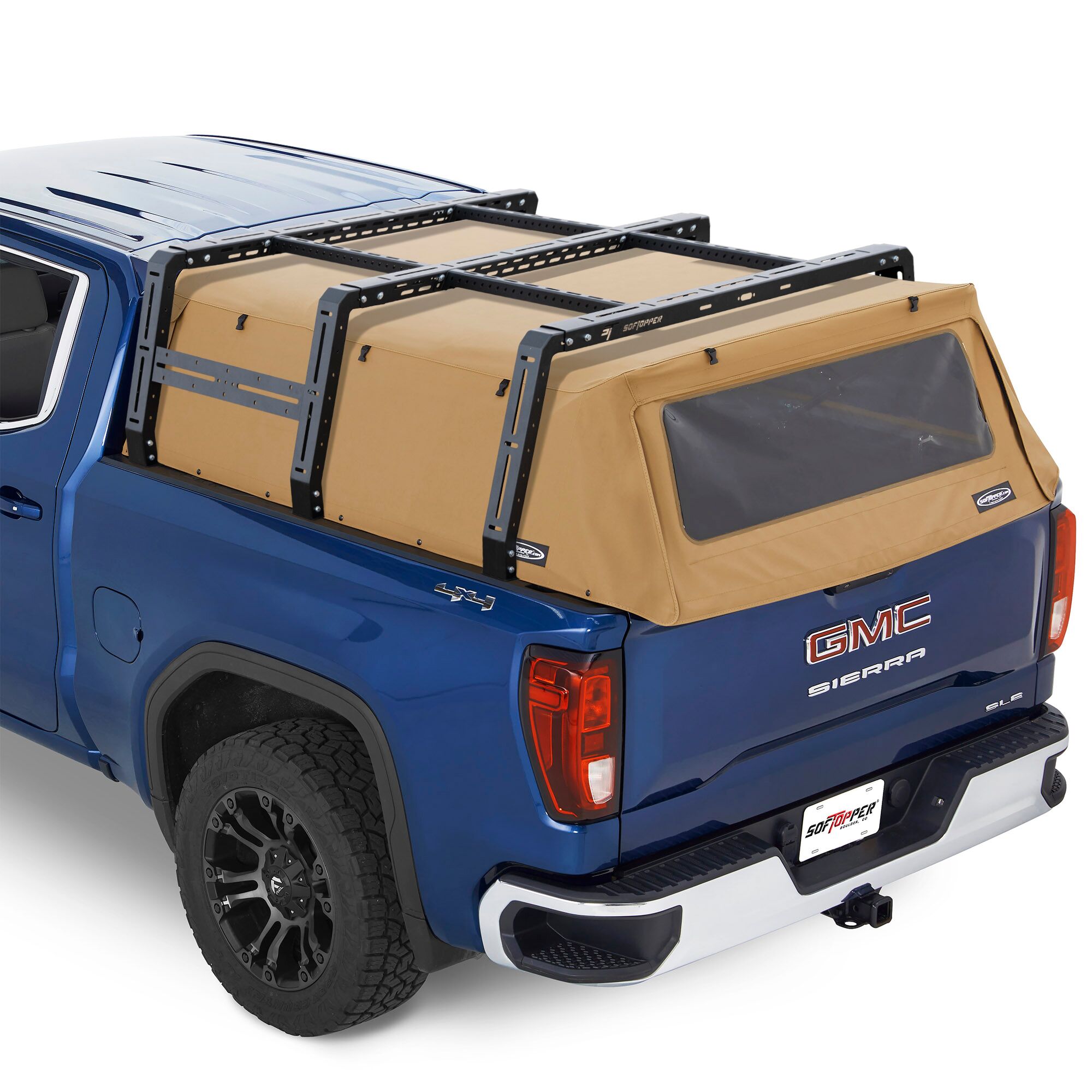
At highway speed, your Softopper handles the same winds as a hard top. One limit to know: the frame isn’t designed to carry loads on top. If you need ladders or lumber overhead, the Exo Truck Bed Rack mounts under the Softopper bed rails and handles that job.
What Does It Cost to Own One Over Time?
Owning a soft truck top costs a little time and a few basic supplies. Wash it monthly with mild soap and water, give it a deeper clean twice a year, and use touchless car washes only. Add the occasional buckle or snap, and that covers most of the cost of ownership after purchase.
Keep alcohol, silicone and wax cleaners off the vinyl windows. The Softopper care guide walks through the full routine. The cleaning care line has cleaners and protectants made for vinyl and twill.
Your warranty covers materials and workmanship for 1 year. Vinyl windows are covered for 3 months and zippers for 6 months. Those shorter terms are a good reason to handle both gently.
Time is part of the cost too. The first install takes about 45 to 60 minutes with a wrench or socket, and once the frame is assembled, reinstalling takes about 2 minutes. Most models clamp on with no drilling, while some, like the Honda Ridgeline, use vehicle-specific brackets.
No holes means no permanent changes to your truck. That keeps your options open when it’s time to sell or trade.
Who a Soft Truck Top Is Worth It For (and Who Should Buy a Hard Cap)
The main disadvantages of a soft truck top are security and sealing. Fabric doesn’t lock like a hard shell, and sewn seams can leak in trouble spots. A lock box and seam sealer solve most of that, and a soft truck top gives you more flexibility for the money.
A soft truck top is worth it if you:
- Switch between covered cargo and tall or bulky loads.
- Want a light top, at 18 to 48 lbs depending on fitment.
- Prefer a no-drill install, which most models offer.
- Would rather repair worn parts than replace the whole top.
- Want your bed back in seconds without unbolting anything.
A hard cap makes more sense if you:
- Leave expensive tools in the bed overnight, every night.
- Need locked, sealed storage full-time.
- Rarely need an open bed.
- Drive in heavy weather and want the tightest seal possible.
If security is the only thing holding you back, there’s a simple fix. Pair your Softopper with an aftermarket lock box for tools and valuables. You get secured storage for the expensive stuff and keep the open, retractable bed for everything else.
How to Get the Most Value From Your Purchase
Get the most value by buying the right fit, picking the fabric that suits your climate, and keeping up with basic care. Start by measuring your bed, then confirm your exact model on your vehicle’s product page. Clean it monthly and replace small parts as they wear.
Take a few minutes to measure your bed length before you order. Softopper builds vehicle-specific models across multiple year ranges and bed lengths, so the right measurement gets you the right top the first time.
Ram owners, for example, can find short, standard and long bed options on the Softopper for the Ram page. Note that Softopper doesn’t fit RamBox trucks.
Pick Standard Vinyl for everyday weather-resistant coverage in black, tan or grey. Choose Premium Black Twill, where offered, if you deal with big cold-weather temperature swings and want added insulation plus a dark tinted rear window.
Finally, give it a few weeks. The fabric settles in over that time, and a monthly wash keeps it looking and working the way it should.
So, are soft truck tops worth it? If you want covered cargo for everyday hauling and a full open bed when a bigger load calls for it, yes. Find the model built for your bed in the Softopper truck tops lineup.
Frequently Asked Questions About Soft Truck Top Cost and Durability
Here are straight answers to common questions about what a soft truck top costs, how it holds up and what it takes to maintain.
Yes, for most pickup owners who want covered cargo and an open bed on demand. A soft truck topper folds forward toward the cab in seconds, installs on most models with no drilling, and lets you replace worn parts individually. If you need locked, sealed storage full-time, a hard camper shell is the better fit.
Soft truck topper pricing varies by fitment and fabric, so check your vehicle’s product page for the exact number. A soft truck topper usually costs less upfront than a painted fiberglass camper shell. It also weighs just 18 to 48 lbs depending on fitment, and military members and first responders get 10% off a Softopper.
A soft truck topper lasts as long as you maintain it, because worn parts get replaced one at a time. The anodized aluminum frame resists corrosion, and the fabric, frame parts, window panels, buckles and snaps are all individually replaceable. Monthly washing and a deeper clean twice a year keep it in good shape.
The biggest disadvantages are security and sealing. Fabric doesn’t lock like a hard camper shell, and sewn seams can leak in trouble spots, though seam sealer is available. Pair your topper with a lock box to secure valuables while keeping the open, retractable bed.
A soft truck topper is weather-resistant and designed for year-round use, including snow loads, but it won’t seal as tightly as a hard cap. Sewn seams can leak in trouble spots, and seam sealer is available to close them. Weather stripping beneath the Softopper bed rails seals along both sides of the truck box.
Yes, a Softopper handles the same winds and highway speeds as a hard top. The fabric stretches and settles in over the first few weeks, which is normal for a new top. The frame isn’t designed to carry loads on top, so use the Exo Truck Bed Rack if you need to haul gear overhead.
Any truck topper changes how air moves over your bed, so expect some effect on fuel economy, and results vary by truck and driving style. A soft truck topper’s low weight, 18 to 48 lbs depending on fitment, helps. You can also fold it flat or remove it when you don’t need the coverage.
Maintenance costs mostly time and mild soap. Wash it monthly, deep clean twice a year, use touchless car washes only, and keep alcohol, silicone and wax cleaners off the vinyl windows. Over time, budget for small wear parts like buckles, brackets and snaps, which replace individually.
